
In high-intensity use environments such as prisons and public facilities , improper cleaning methods can lead to rust spots and limescale buildup on the surface. This is not due to poor quality of the stainless steel toilet, but rather to improper cleaning habits that damage the protective layer of the stainless steel surface. Proper and effective cleaning of stainless steel toilets is key to maintaining their shine, hygiene, and lifespan.
This article will teach you the cleaning process, tools, and precautions for stainless steel toilets in high-intensity environments such as prisons, so you can learn how to keep your stainless steel toilet looking brand new.
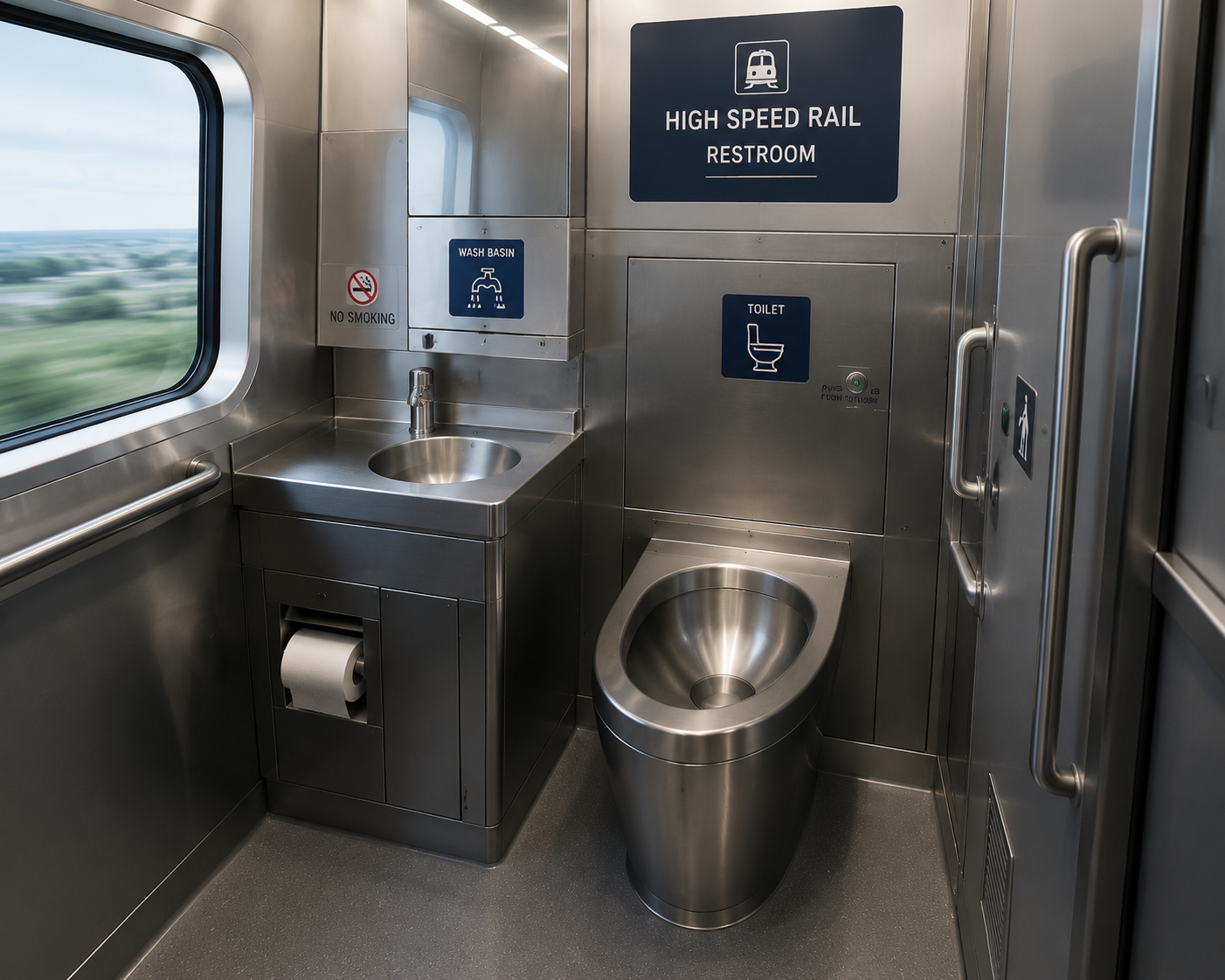
Why do Stainless Steel Toilets Require Special Cleaning Methods?
The chromium in stainless steel forms a very thin protective layer of chromium oxide on its surface. This protective film prevents iron from oxidizing in the air, thus preventing rust. However, if improper cleaning agents or sharp tools are used and this protective layer is accidentally damaged, the stainless steel surface will develop scratches, rust spots, or lose its luster. Therefore, the key to cleaning stainless steel toilets is to achieve a cleaning effect without damaging this chromium oxide protective layer.
Cleaning Tools:
1. Cleaning Agents
| Cleaning products | Main uses | Usage Recommendations |
| neutral detergent | Daily cleaning, removal of dust, stains, and grease | Highly recommended, suitable for frequent use, will not damage stainless steel surface. |
| Vinegar (white vinegar) | Removes minor limescale and mineral deposits | Use after dilution and avoid prolonged contact. |
| baking soda | Remove minor stains and odors | Mix with water to form a paste, then gently scrub. |
| Citric acid | Removes urine stains, limescale, and yellow deposits. | It is effective against limescale, but thorough rinsing is required after use. |
| Stainless steel rust remover | Remove rust and oxidation marks | For localized rust removal only |
2. Cleaning Tools
| tool | use | Precautions |
| sponge | Cleaning large areas of stains | Use the soft side to avoid scratching with the matte side. |
| soft cloth | Daily wiping and drying of water stains | Microfiber cloth is recommended. |
| tissue | Wipe away water droplets and finally dry. | Not recommended as a primary cleaning tool |
| soft brush | Clean crevices, drainage areas, and corners. | Avoid using stiff-bristled brushes |
3. Auxiliary Supplies
| Supplies | effect |
| warm water | Improves the dissolving power of cleaning agents and softens stains. |
| Clear water | Rinse off any remaining cleaning agent to prevent chemical residue. |
Cleaning Steps:
1.First, rinse the toilet bowl with clean water to remove dust and particles from its surface.
2.Use a neutral detergent and warm water to wipe the toilet surface with a soft cloth.
3.For stubborn stains that cannot be removed by cleaning agents, wiping with white vinegar can help remove them.
4.After cleaning, rinse the surface with clean water to ensure there is no detergent residue, and then wipe it dry with a dry cloth.
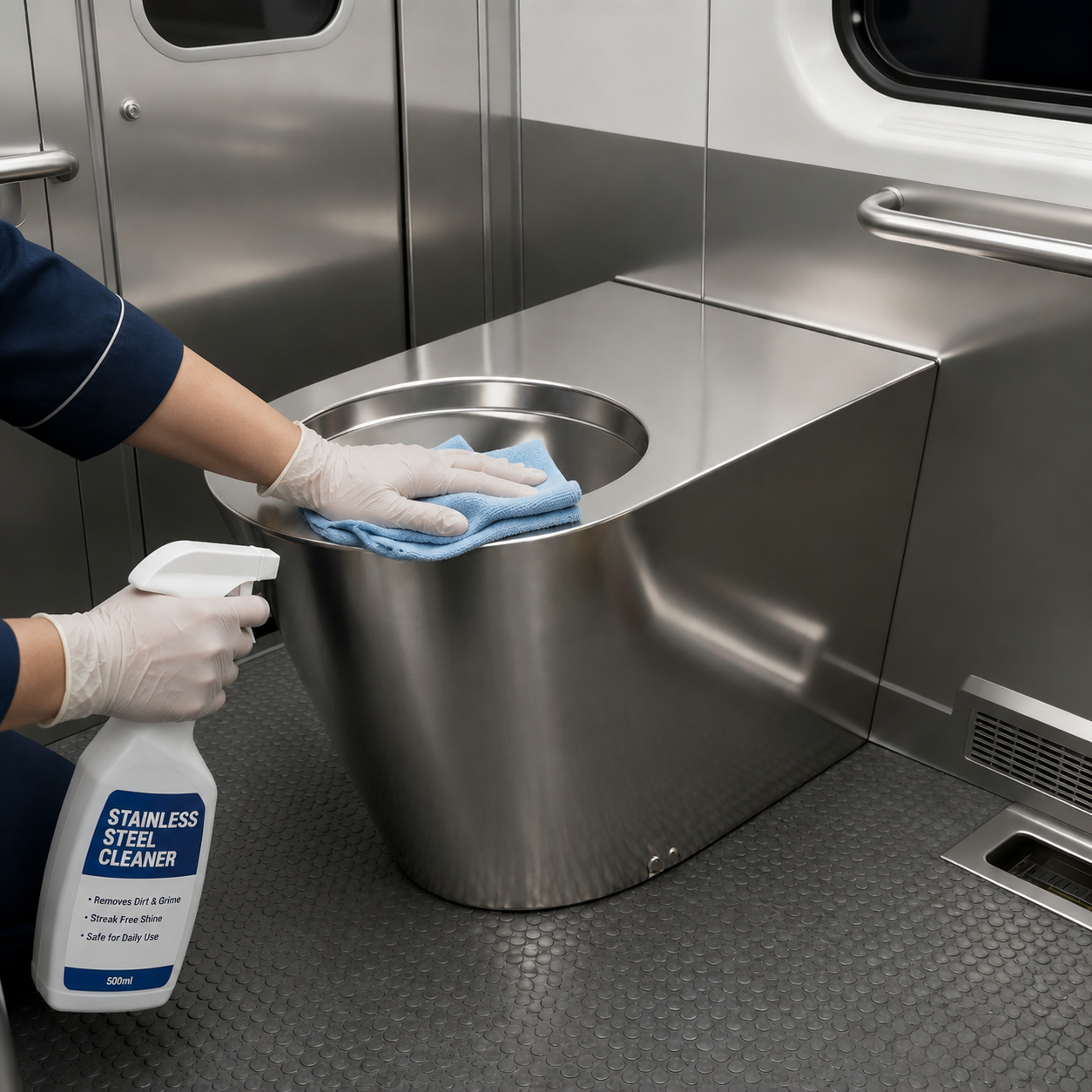
How to Remove Common Stains?
Stainless steel toilets are commonly used in public places such as prisons, hospitals, high-speed trains, airplanes, and ships. These environments are complex and place high demands on the toilets, resulting in various types of dirt and grime that require slightly different cleaning methods for each type.
| Stain type | Causes | Recommended processing method |
| limescale | Mineral deposits | White vinegar solution/stainless steel cleaner |
| Rust spots | Iron contamination or chemical corrosion | Stainless steel rust remover |
| oil stains | Long-term use accumulation | neutral detergent |
| fingerprint | Daily contact | microfiber cloth wiping |
| Stubborn stains | Long-term unclean | Professional cleaning products |
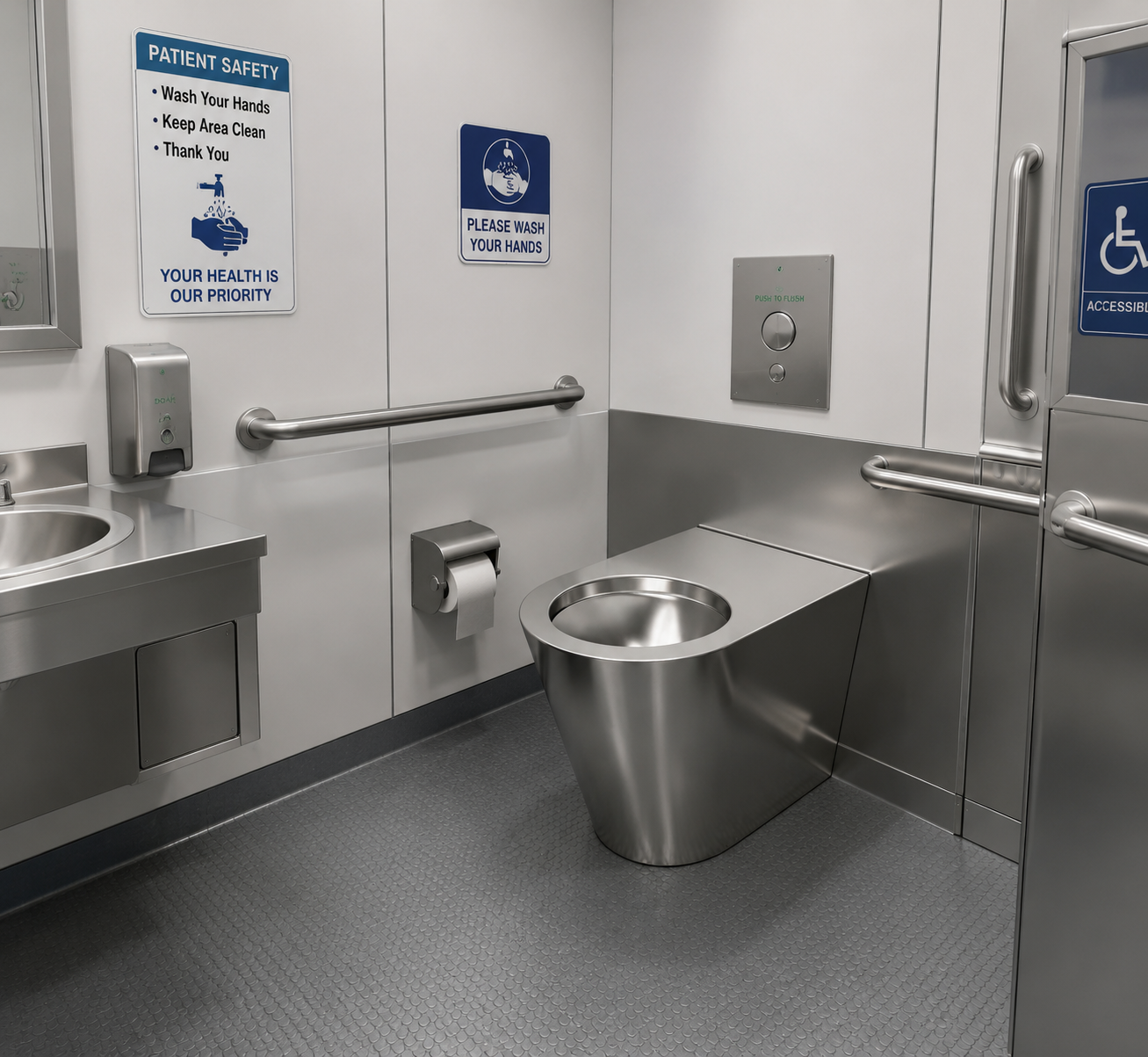
How to Maintain and Care for It on a Daily Basis?
1.Cleaning after Use
After using a stainless steel toilet, flush it immediately. If any residue is found, clean it with a soft brush immediately. Otherwise, stubborn stains will form over time, making them more difficult to clean.
2.Routine Maintenance
Clean the toilet thoroughly at least once a week using detergent and warm water, cleaning both the toilet bowl surface and the inside of the bowl to prevent grime buildup.
3.Deep Maintenance
Check the flushing system monthly to ensure it is in good working order and that all connections are secure. If there is rust or stubborn stains, use a stainless steel rust remover or white vinegar to remove them.
Common Mistakes:
1.Use a Hard Object to Scrub
The gloss and corrosion resistance of stainless steel toilet surfaces come entirely from the oxide layer on the surface. When cleaning, avoid using hard objects, as they will damage the oxide layer.
2.Direct Use of Strong Acid Cleaners and Chlorine-containing Cleaners
If a stainless steel toilet is made of 304 stainless steel, it has a certain degree of corrosion resistance. Neutral detergents will not damage the stainless steel surface. However, if strong acid cleaners or chlorine-containing cleaners are used, they will corrode the stainless steel surface and cause rust spots.
3.Do not Dry after Cleaning
After rinsing with clean water, be sure to dry the toilet bowl thoroughly. If water stains remain, they will turn into limescale over time, which is difficult to clean.
Summarize:
Stainless steel toilets are easy to clean, mainly because they do not damage the protective layer on the surface. Since stainless steel itself is antibacterial, it can be cleaned with water and ordinary detergent. For stubborn stains, detergent, white vinegar, and baking soda can all be used without damaging the toilet surface.
FAQ
1.Can stainless steel toilets be bleached?
Bleach is generally used for disinfection. Many places, such as prisons and hospitals, require regular disinfection due to the large flow of people. Stainless steel toilets can be disinfected with diluted bleach, but do not soak them for a long time or mix them with acidic cleaners.
2.How often should a stainless steel toilet be cleaned?
| Use cases | Recommended cleaning frequency | reason |
| High-security facilities such as prisons and detention centers | Clean daily, and disinfect multiple times if necessary. | High population density and frequent use necessitate maintaining hygiene. |
| public restrooms | 1-2 times a day | Reduce odors, limescale, and bacteria |
| Hospitals, schools, factories | Clean daily | High hygiene requirements |
3.Are stainless steel toilets easier to maintain than ceramic toilets?
Compared to ceramic toilets, stainless steel toilets are less prone to absorbing stains, making them easier to clean. They also have excellent corrosion resistance and can be disinfected with high intensity. In contrast, the glaze on the surface of ceramic toilets is easily damaged, requiring more meticulous cleaning.
4. Which cleaning agent is best suited for cleaning stainless steel toilets?
Neutral cleaners are the most commonly used and will not damage the stainless steel surface. If the toilet has accumulated urine stains and dirt, you can spray citric acid or white vinegar on the stained area and clean it with a soft brush.
For more specific cleaning advice and methods, you can consult the toilet manufacturer after purchasing the stainless steel toilet. They will provide more practical suggestions based on the actual situation of the product.