
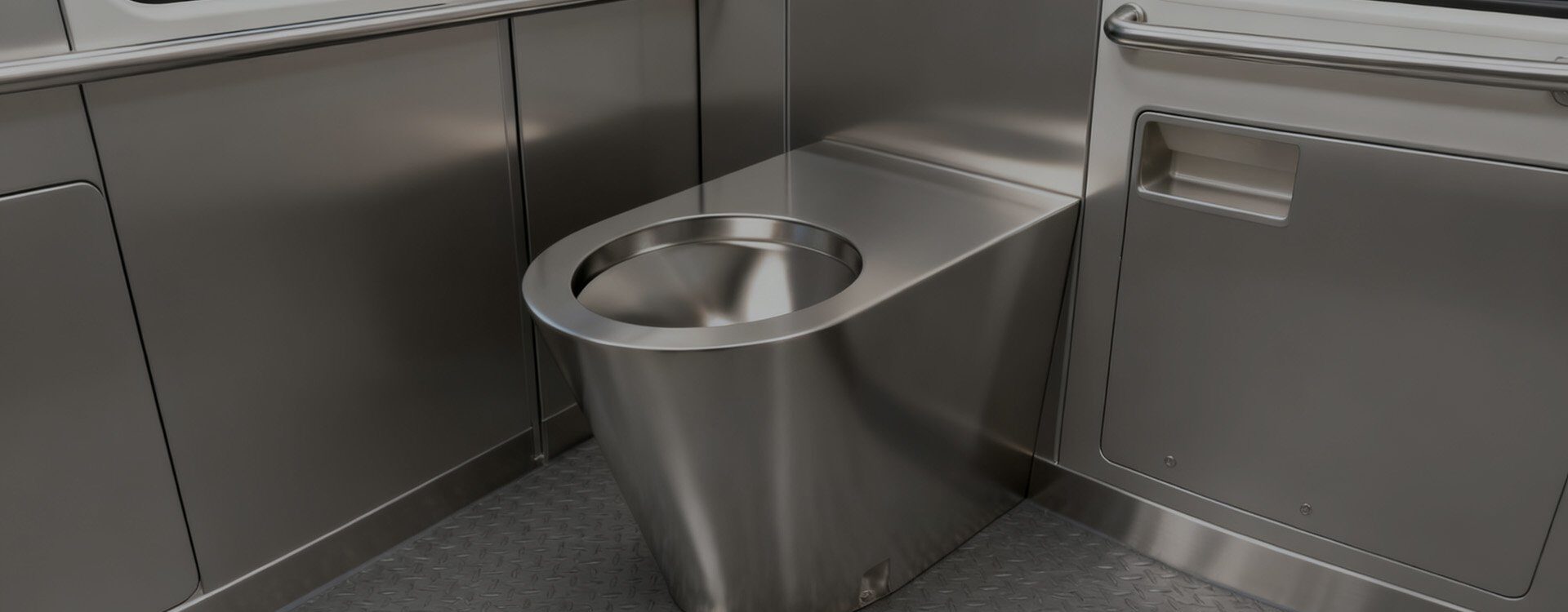
Your Expert Prison Stainless Steel Toilets Factory in China
Our prison toilets can resist impacts and deliberate damage. They are also corrosion and rust resistant. Thus, ensuring a service life of approximately 10 to 15 years in prison and detention center settings. This guarantees long-term reliability.
The seamless, one-piece welded construction prevents inmates from disassembling it to create dangerous tools. With 1.0-1.5mm thick panels, it offers strong resistance to deformation. All edges are rounded and polished for durability. Bacai toilets are the unparalleled choice for prisons.
We manufacture custom toilets adhering to the high standards of correctional facilities. Bacai offers custom sizes,custom style,according to your request. As a professional manufacturer, ensure low MOQ, on-time delivery, and fast lead time. Please send us your inquiries today and get quotes within 24 hours.
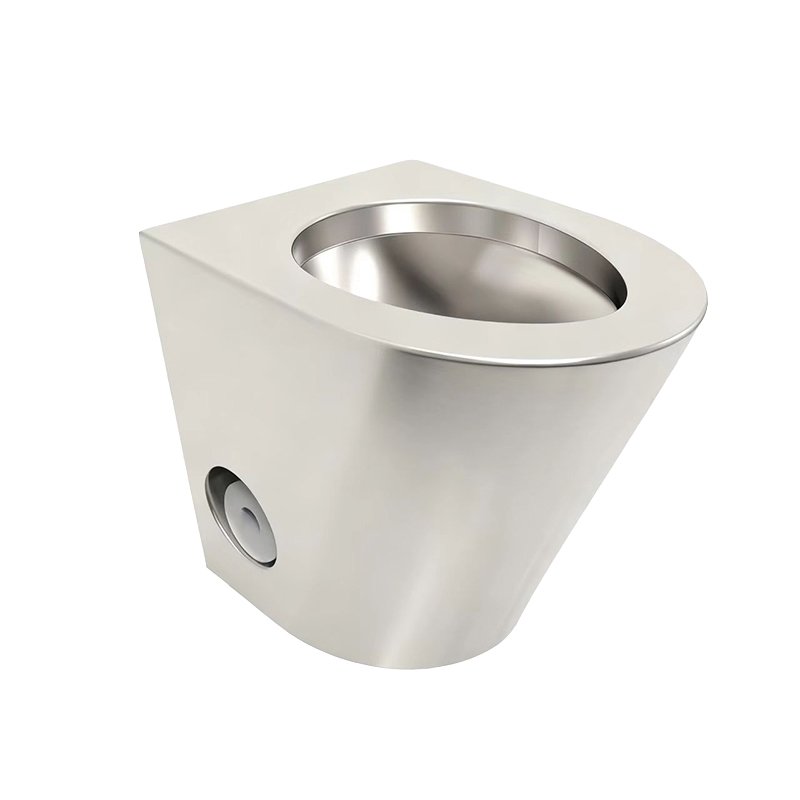
304 Stainless steel,Wall mounted concealed installation,Wall drainage,Can hold tissues on the side
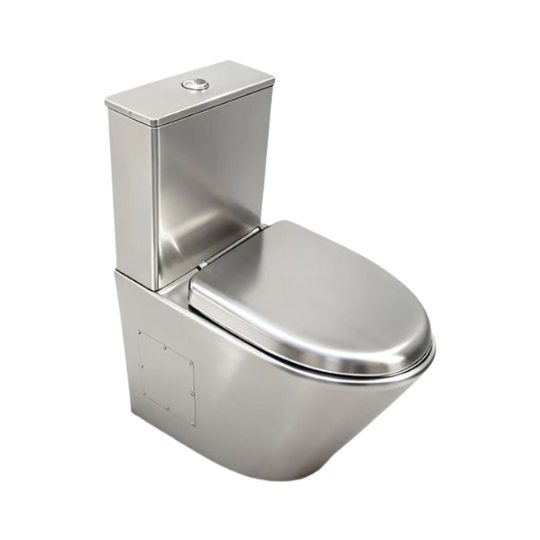
Equipped with an 8L press water tank, seat cushion, silent toilet lid, wall drainage or floor drainage
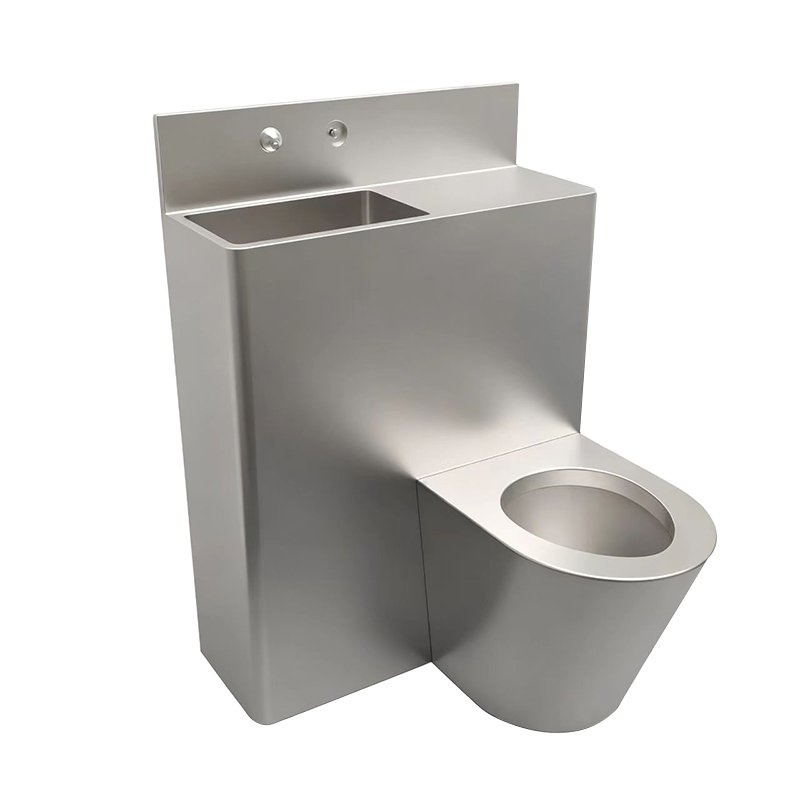
Toilet and washbasin combination,Sink with platform and circular faucet, and back
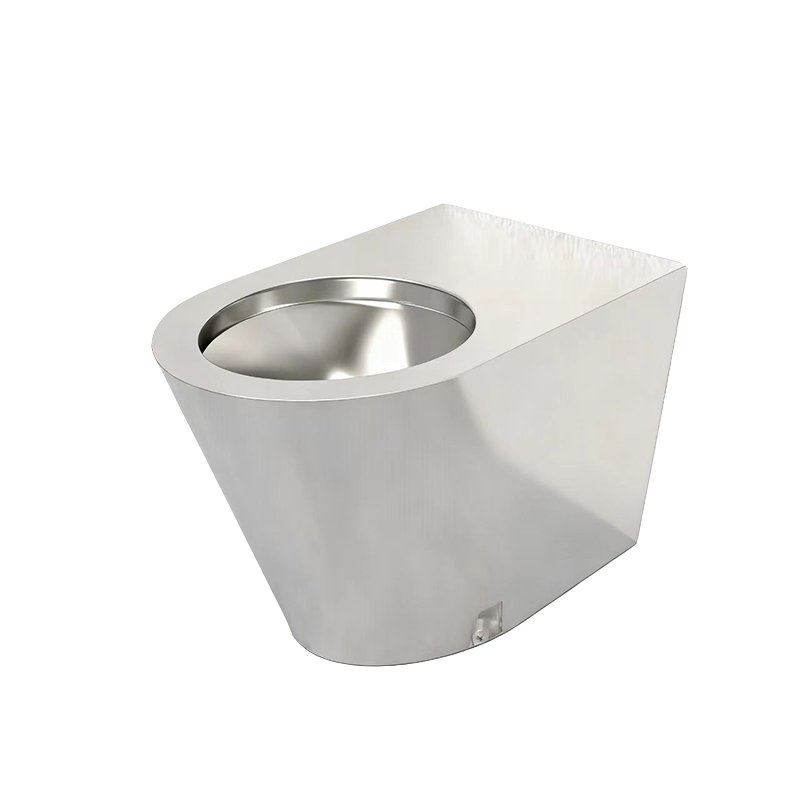
Wall mounted stainless steel toilet, extended size, used in places such as ships, hospitals, prisons, etc
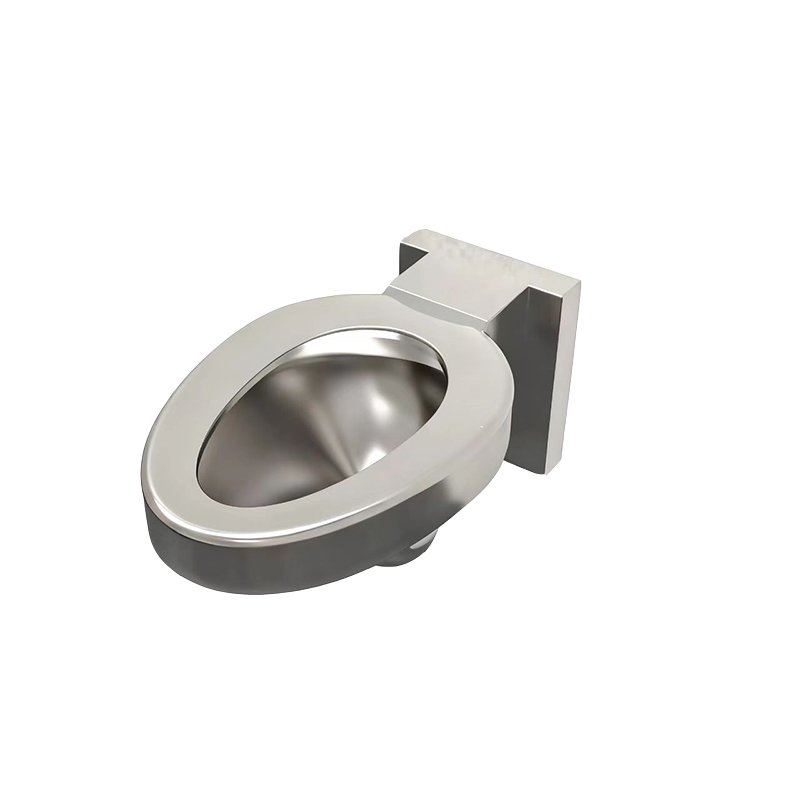
Wall drainage and wall-ground mounted, Wall water ingress,Industrial designed toilet for prison.
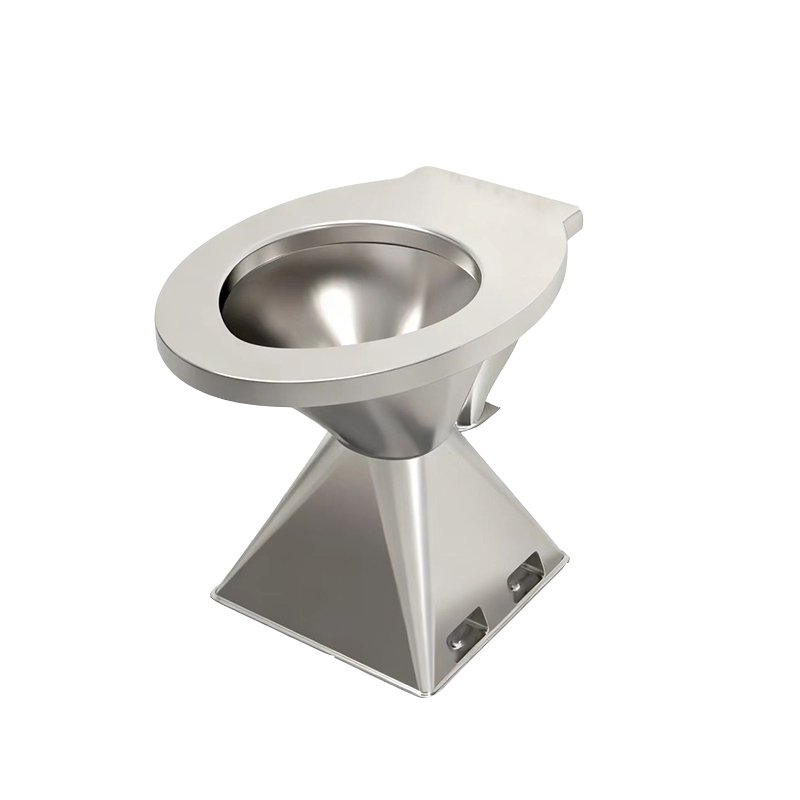
Stainless steel toilet with base, floor drainage, no toilet lid, no water tank, used in prisons
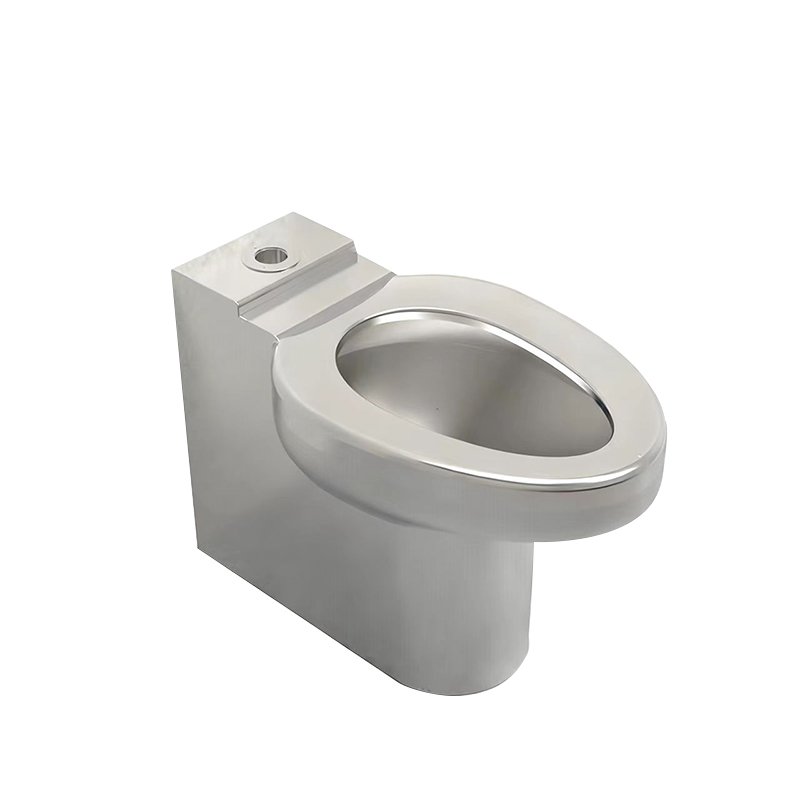
Installed on the floor, with water entering the wall and drainage from the wall,Used for prisons
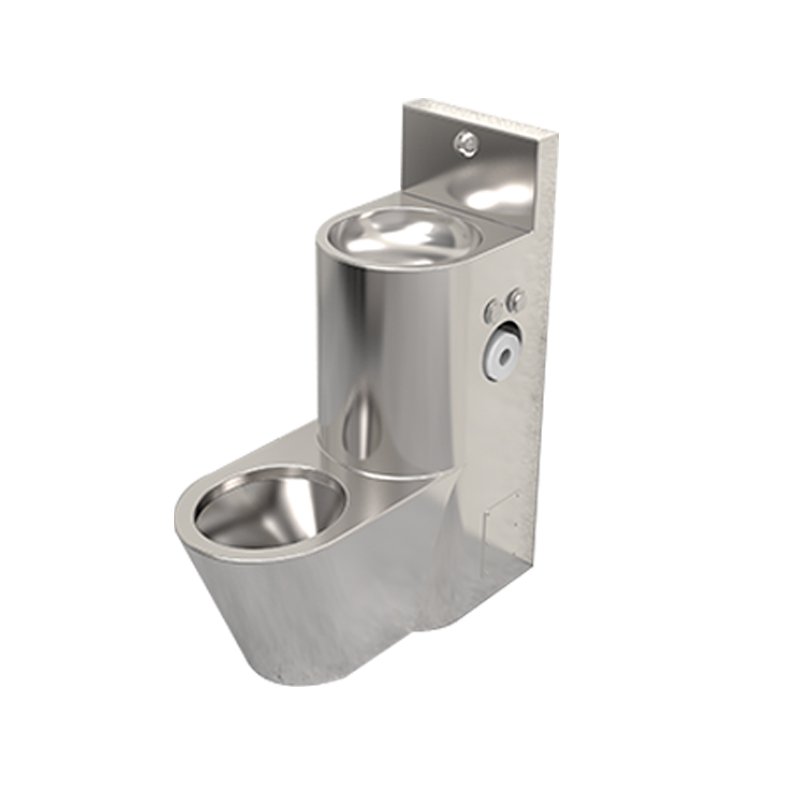
Hand basin and toilet integrated design, with faucet, Press to dispense water,tissue box, wall drainage
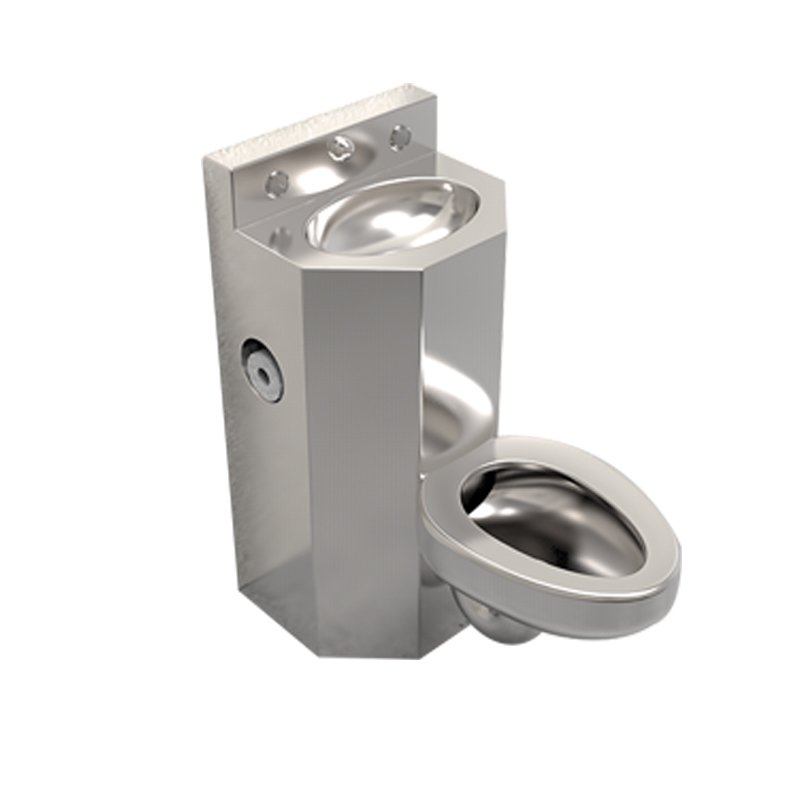
Prison integrated toilet with washbasin, oval shaped bucket, faucet, and tissue box
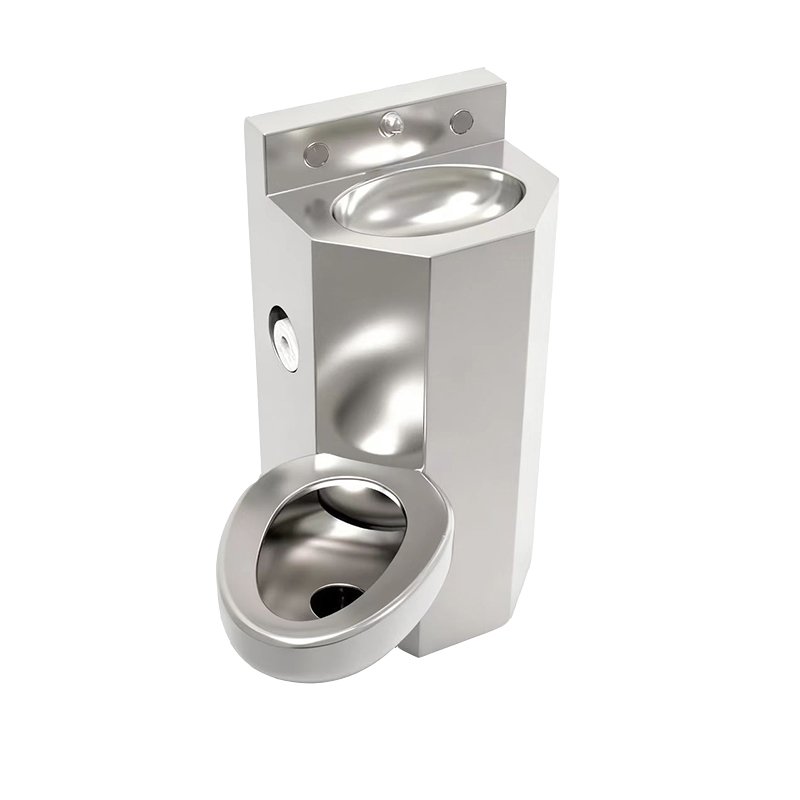
Stainless steel integrated toilet with washbasin, wall drainage, and tissue box for prisons
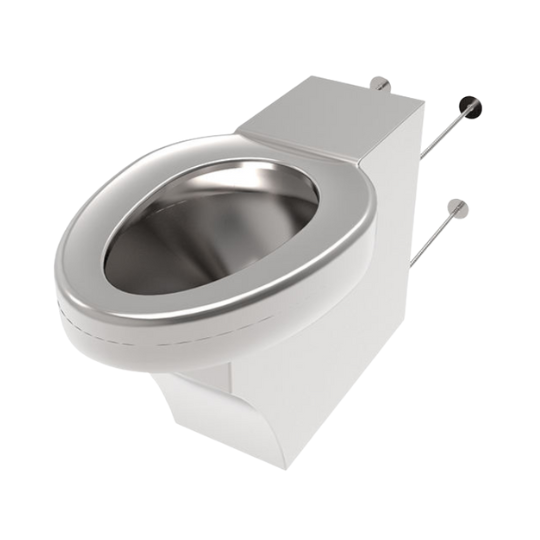
Installed on the floor, with water entering the wall and drainage from the wall,Used for prisons
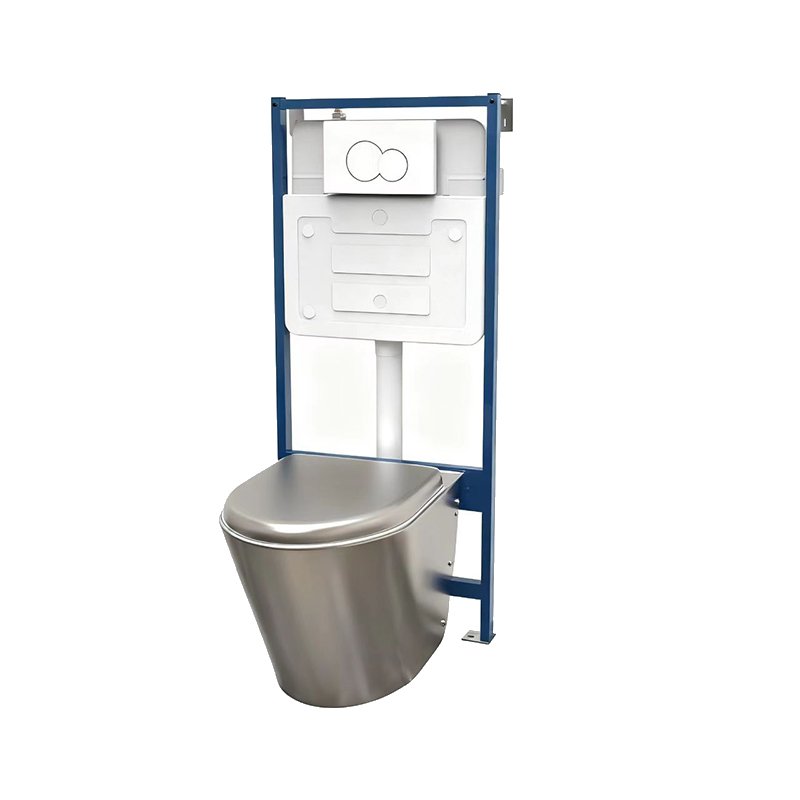
Wall mounted, concealed water tank, with toilet lid, stainless steel toilet with seat cushion
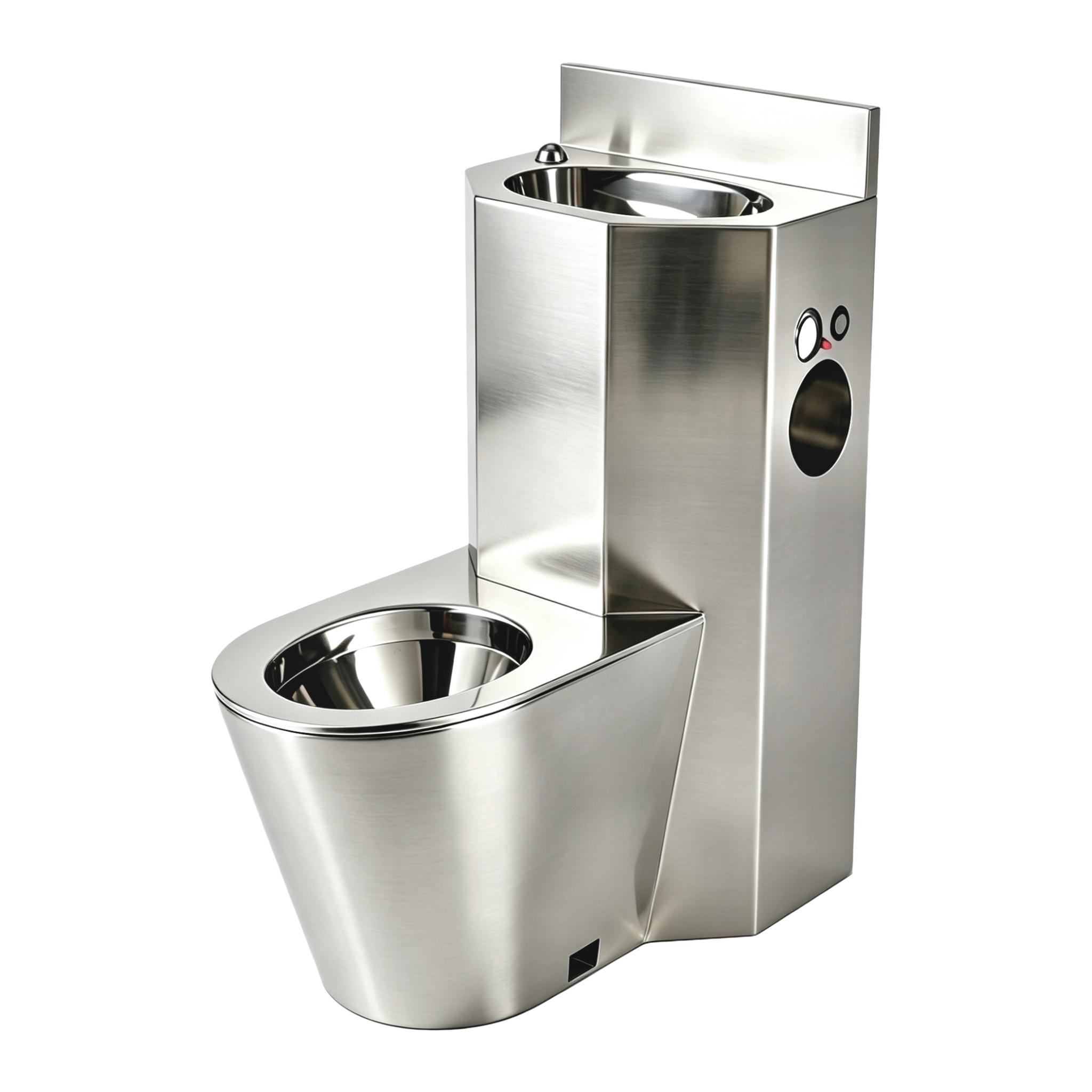
Prison integrated toilet with washbasin, oval shaped bucket, faucet, and tissue box
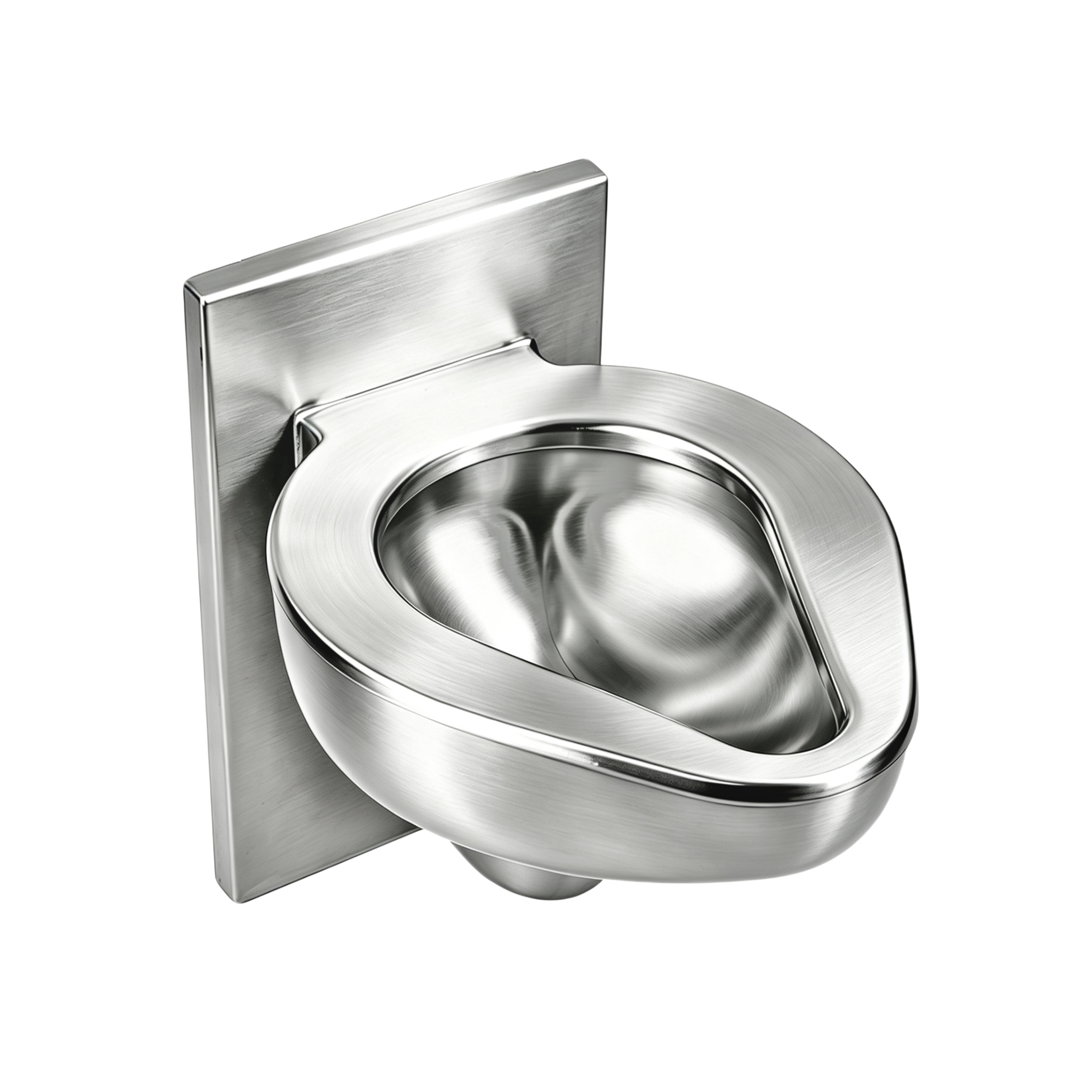
stainless steel wall-mounted toilet, suitable for special places such as prisons and detention centers.
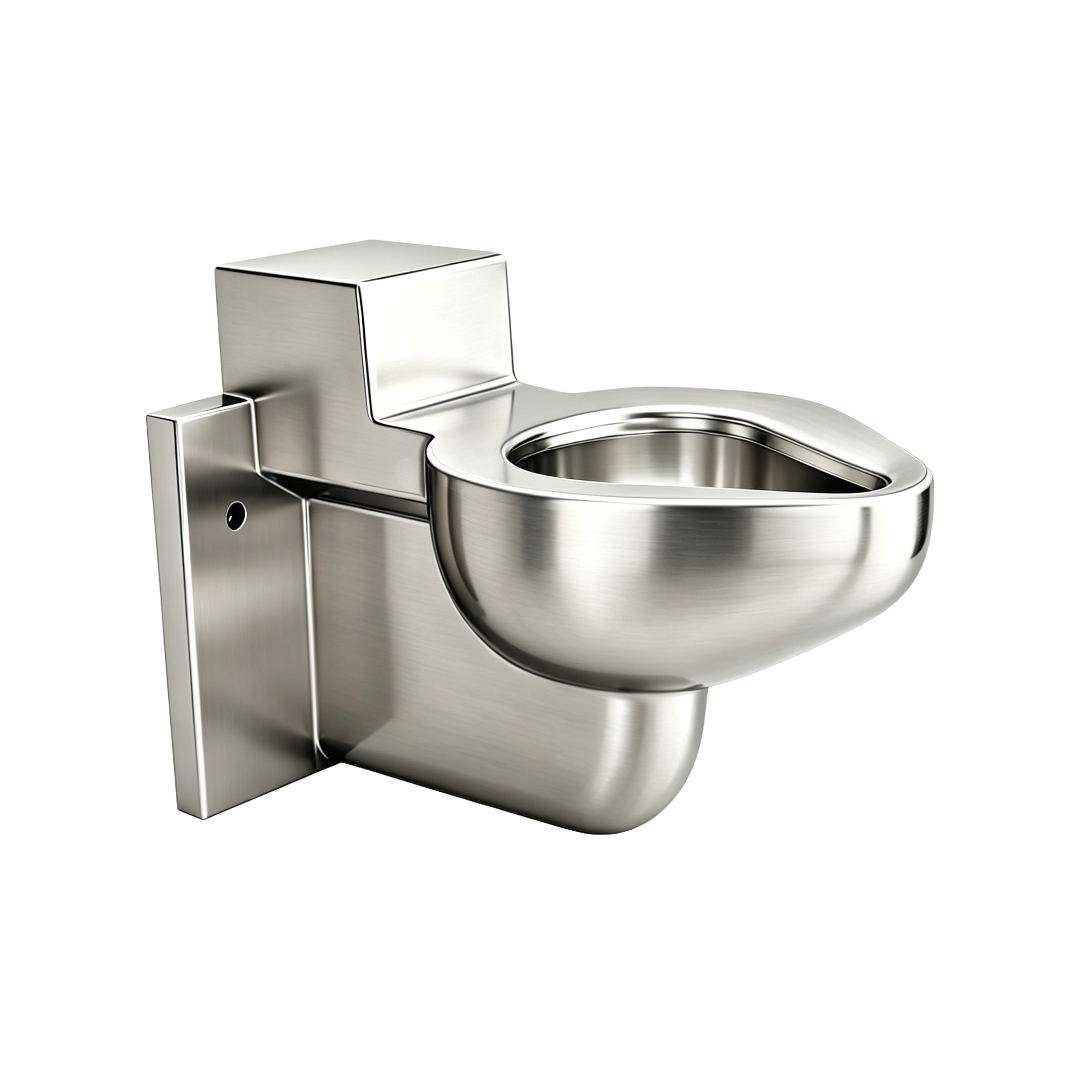
Stainless steel wall-mounted toilet, suitable for special places such as prisons and high-speed railways.
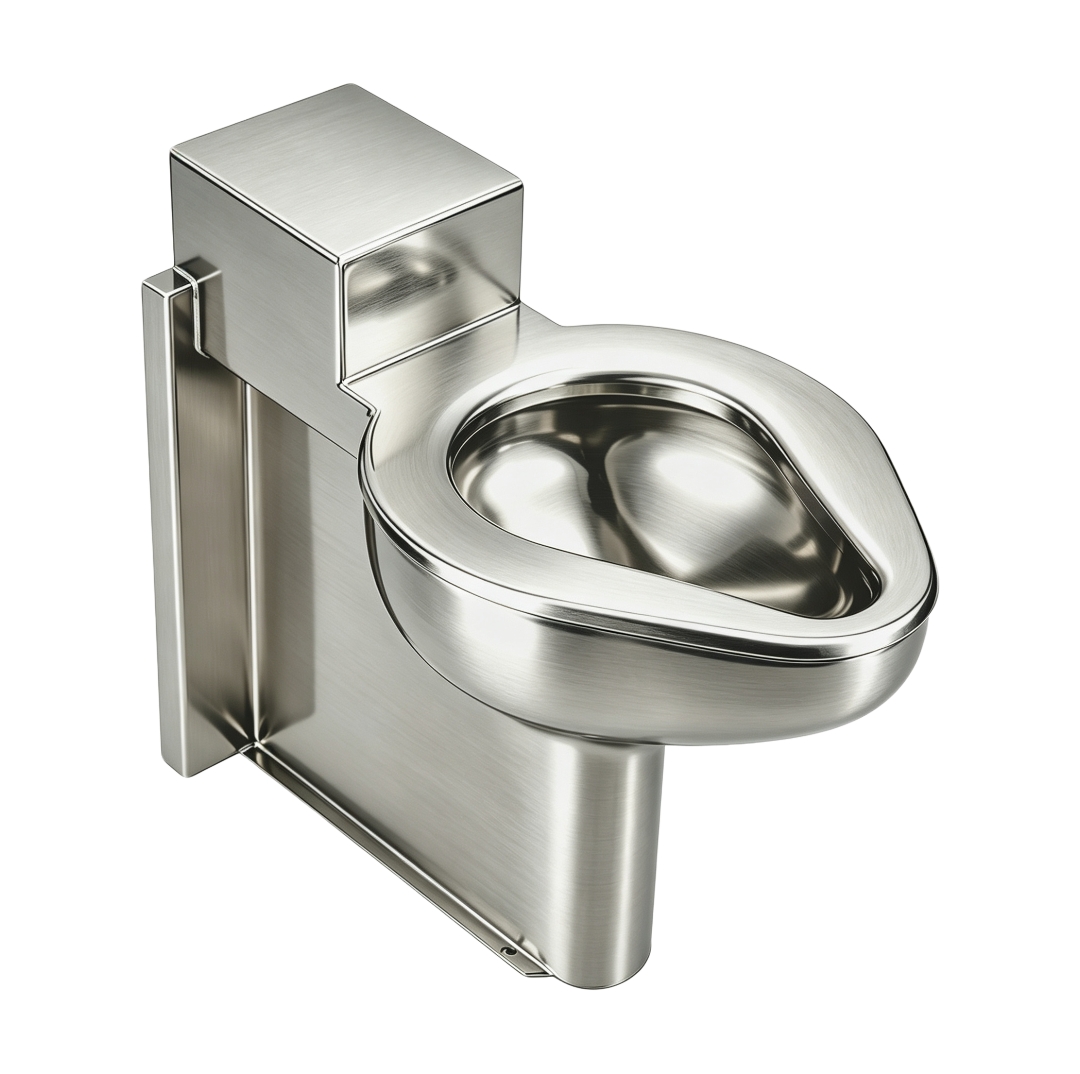
Stainless steel floor-standing toilet, suitable for special places such as prisons and high-speed railways.
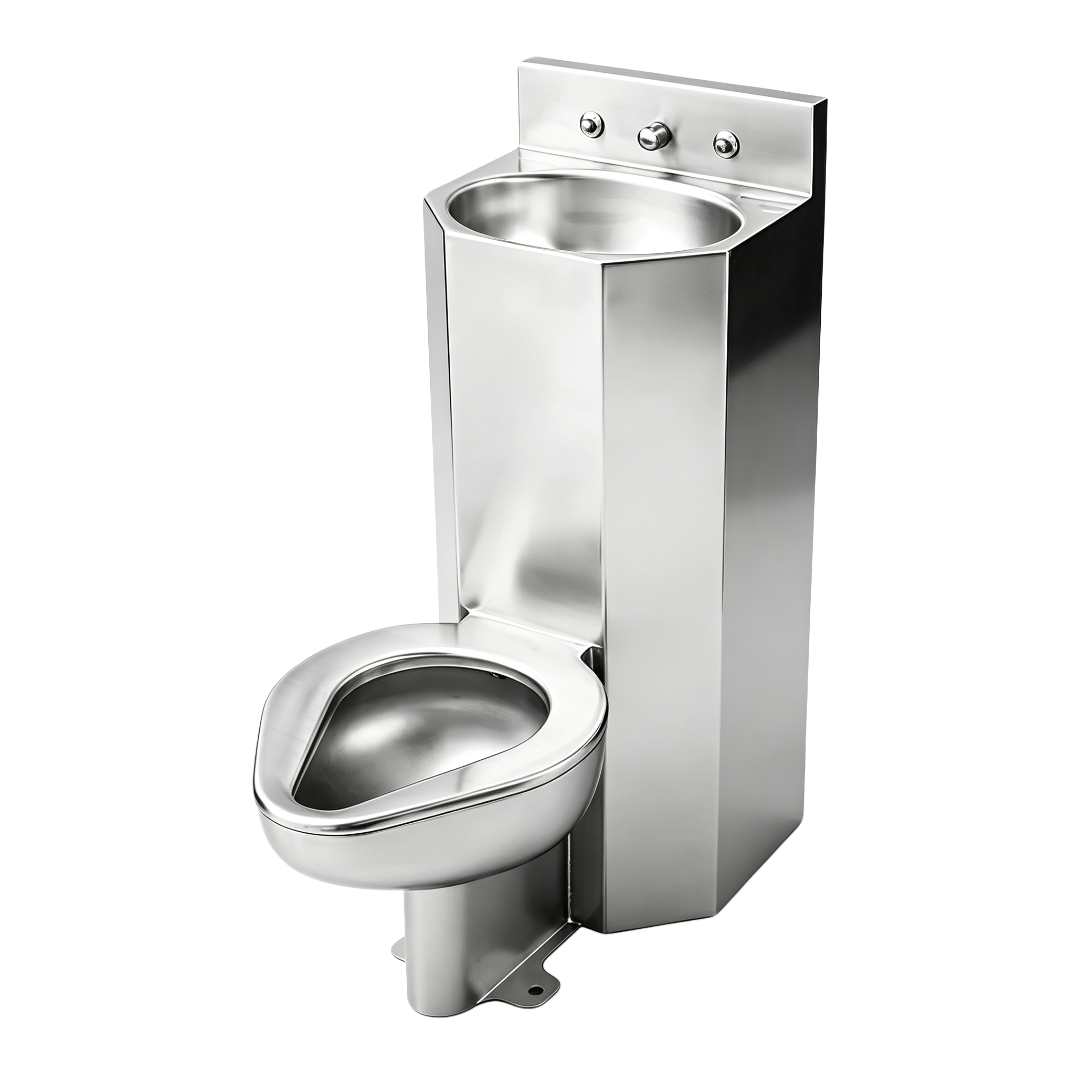
The floor-standing stainless steel toilet unit comes with a washbasin, an oval basin, a faucet and a tissue box.
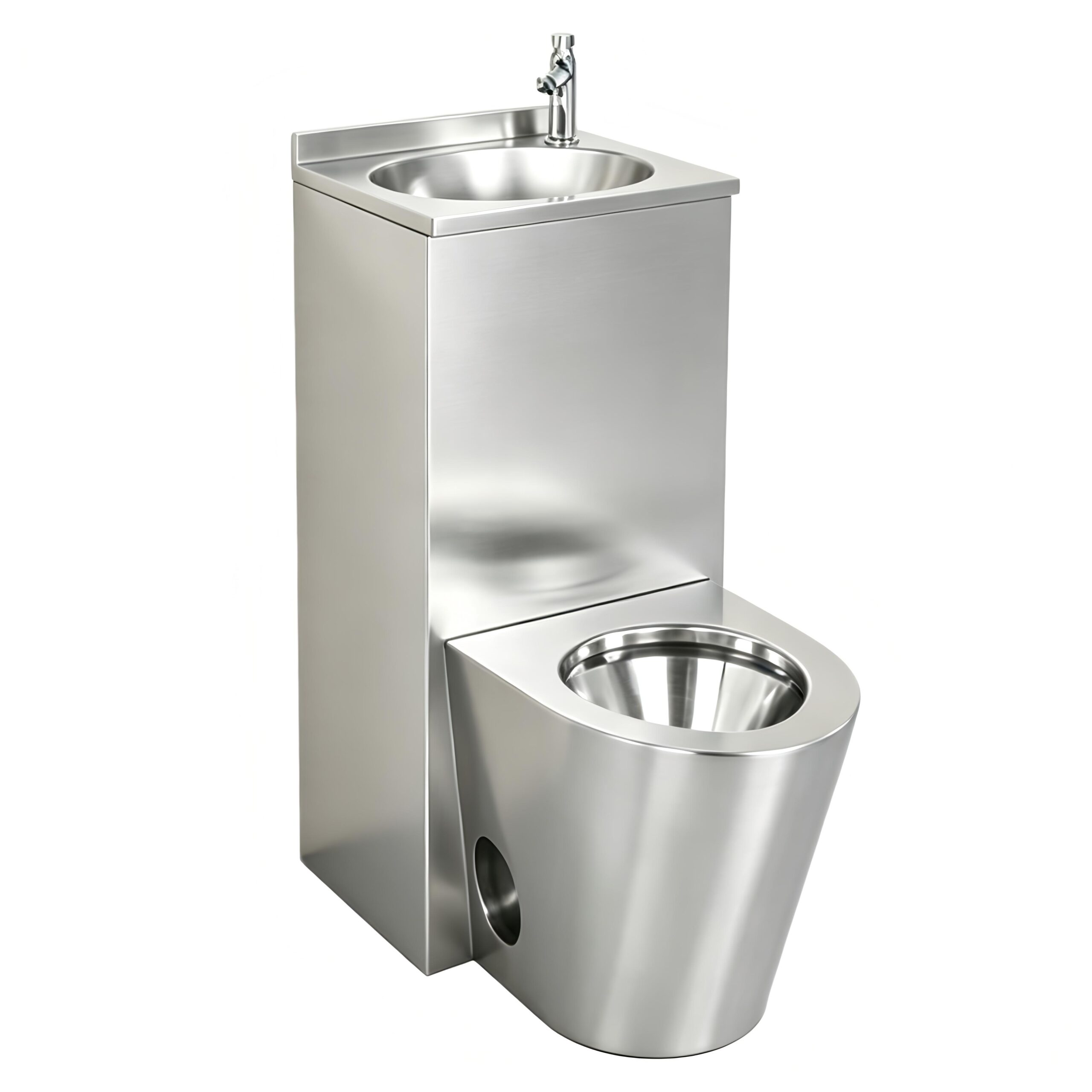
Stainless steel square connected toilet, suitable for use in special scenarios such as prisons or high-speed railways.
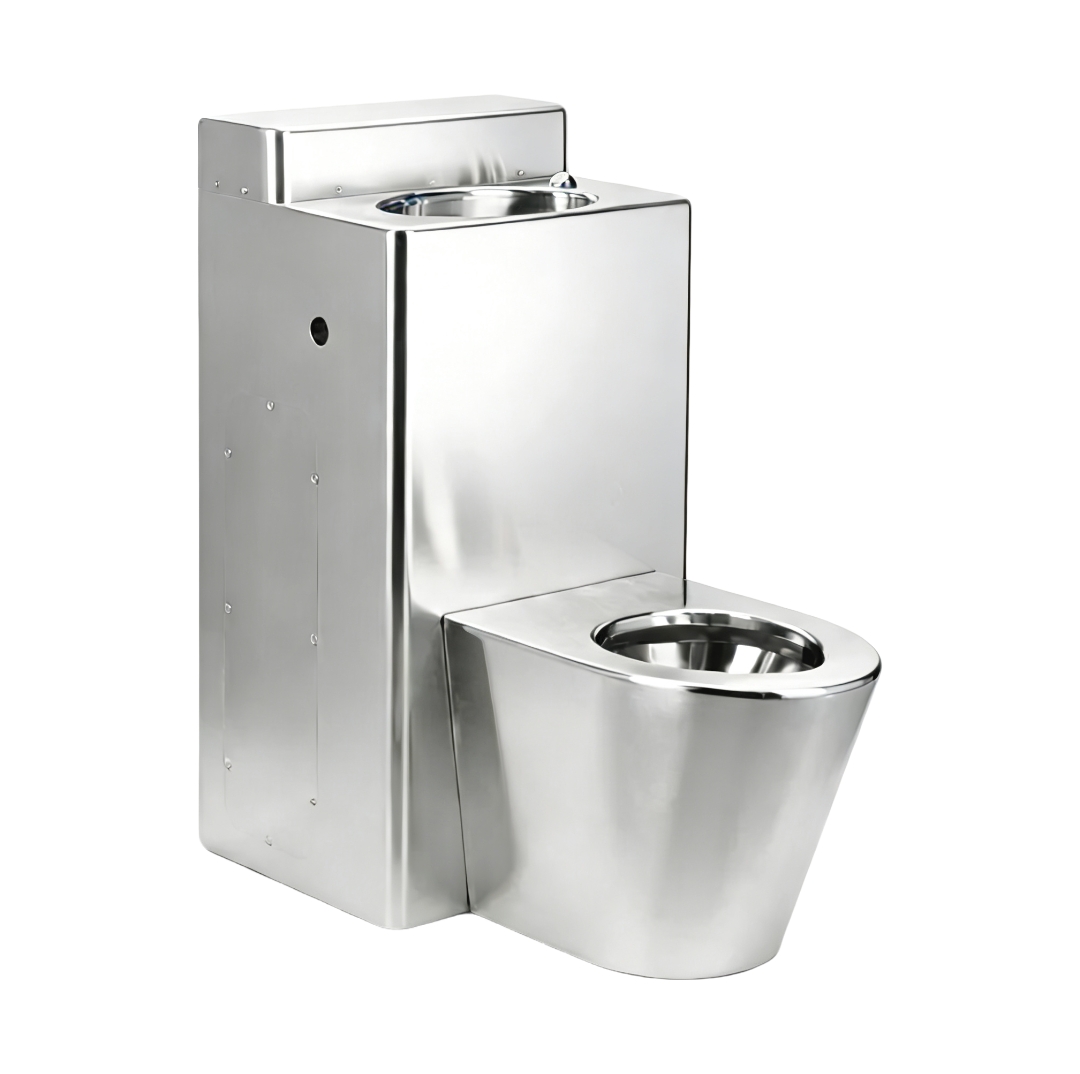
Stainless steel square combined toilet, sturdy and durable, suitable for special places such as prisons.
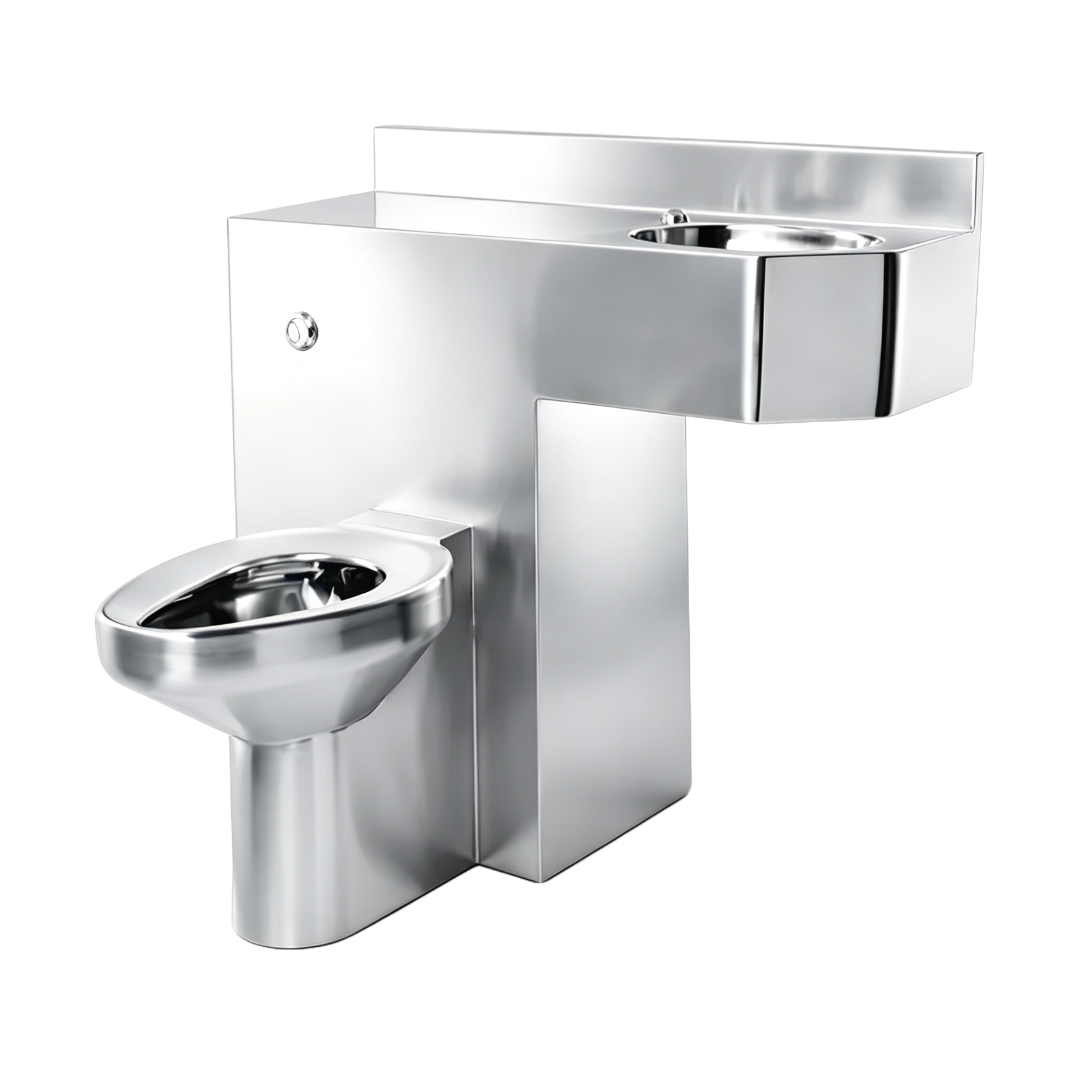
Stainless steel integrated toilet, sturdy and durable, suitable for use in prisons and other special scenarios.
Safety Features for Suicide Prevention and Vandalism Resistance

To ensure installation and usage safety in prison environments, our toilet has high-security protection designed according to the correctional setting needs. Features include tamper-proof screws, anti-disassembly components, and an integrated, tamper-resistant construction.

To rigorously prevent safety hazards, the design strictly prevents acts such as hanging, preventing suicidal behavior among prisoners,providing further security for the correctional environment.

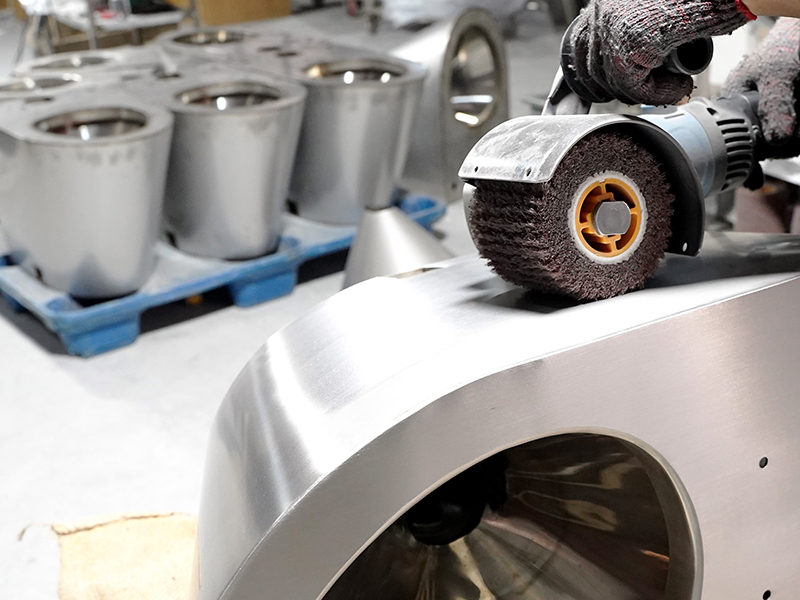
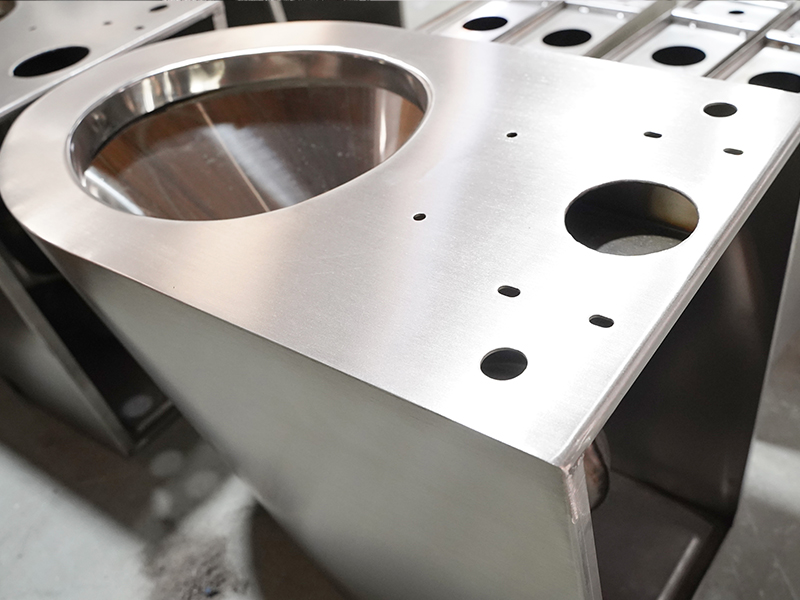
The surface of the prison sink-toilet combo undergoes a fine brushed finish, Smooth to the touch, beautiful in appearance, and able to cover up flaws caused by daily friction

The toilet tank features a hand-operated flush mechanism to control water volume and lower water consumption. These toilets including waterproofing, robust rust resistance, and water/labor efficiency.
Robust Material Construction for Durability
Bacai stainless steel prison fixtures are specialized integrated toilets for correctional facilities made from high-grade stainless steel grades like 304 and 316. This addresses inherent issues in prison toilet usage at the source. The superior material quality ensures corrosion and rust resistance. They resist prolonged exposure to high humidity or contact with various disinfectants and sterilizing solutions, preventing corrosion or rusting. This ensure long life span and reduce maintenance cost.
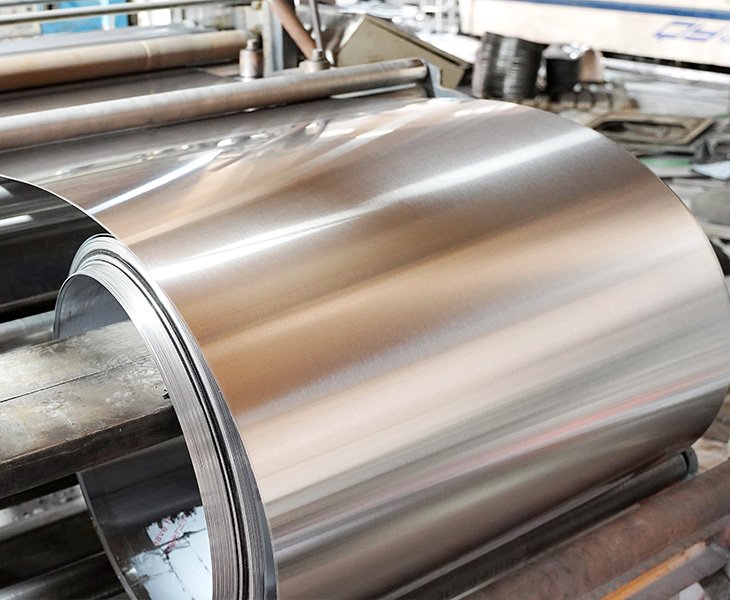
Bacai Stainless Steel Prison Toilet: Surface Finishing Process
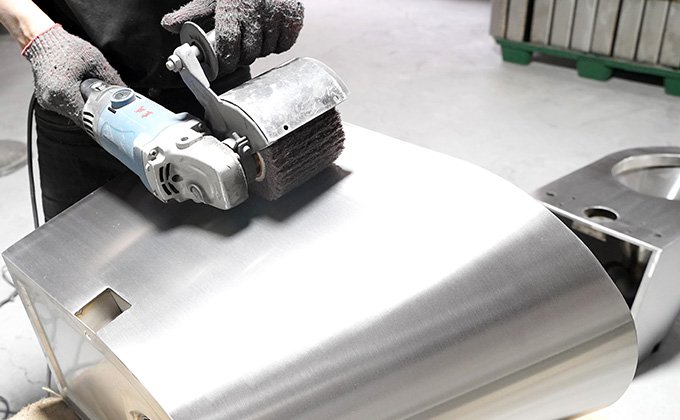
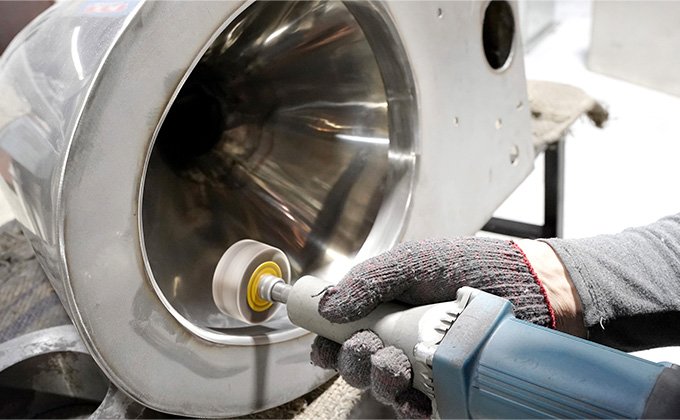
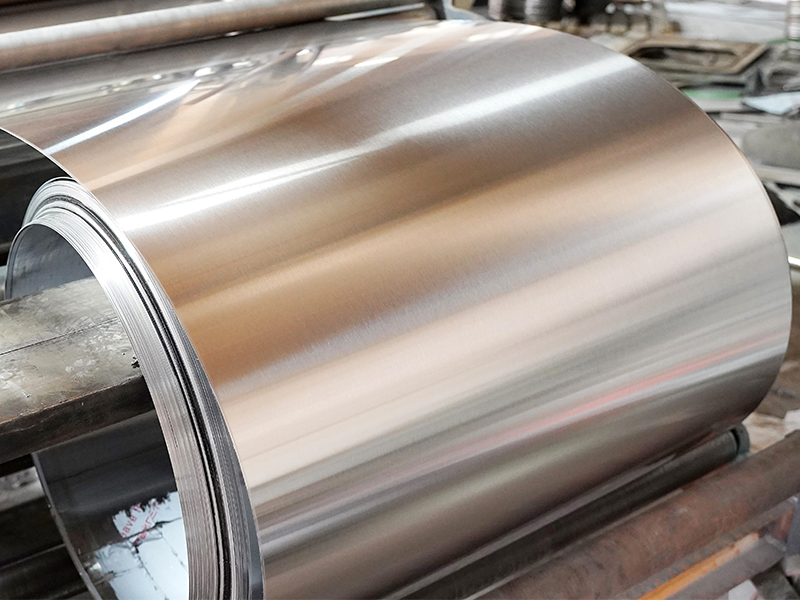
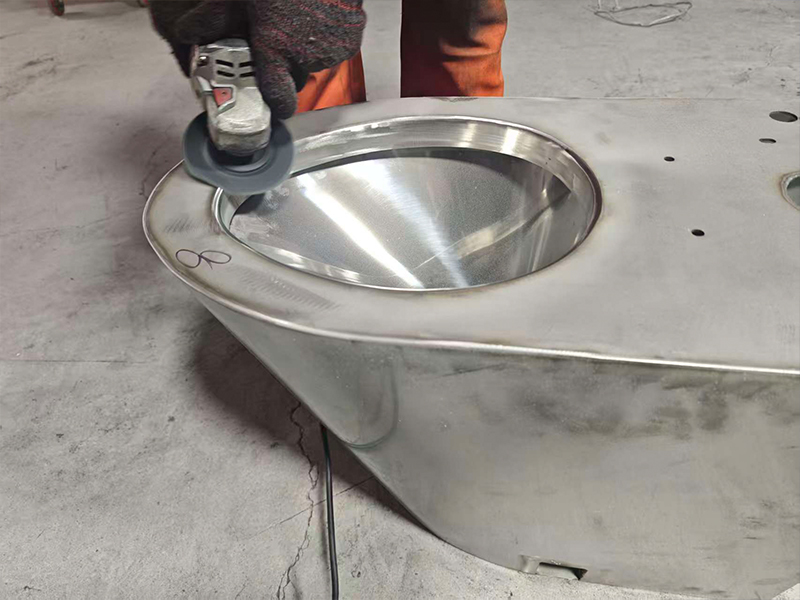
Bacai uses precision polishing and brushing equipment for a durable and safe prison toilet. The toilet surfaces feature 80-grit and 320-grit brushing processes allowing a smooth, fine-textured linear pattern. This eliminates the mirror-like reflection and slippery finish of standard polishing. Avoiding the mirror-like reflections and slippery feel of standard polishing reduces potential slip hazards from overly smooth surfaces.
This finish also resists heavy stain buildup and fingerprint marks, requiring only simple wiping for routine maintenance. The brushed finish is reinforced with passivation polishing technology to create a solid oxide layer to the toilet’s surface. It prevents corrosion caused by urine, cleaning agents, and other corrosive liquids to avoid scratch and rust. This protects the toilet from wear and deformation during normal use.
More importantly, the brushed polishing process completely eliminates sharp edges and protruding defects. The toilet’s water inlet, interior surface, exterior surface, and waste outlets don’t have sharp edges or disassembly joints. This thoroughly eliminates the risk of self-harm through surface protrusions or sharp edges.
Additionally, enhanced surface hardness prevents dents and cracks from external impacts, meeting the high-intensity usage demands of prison environments. From craftsmanship to performance, every detail prioritizes security oversight. This makes our stainless steel toilets safe within prison security systems.
Recent Stainless Steel Toilet We Made
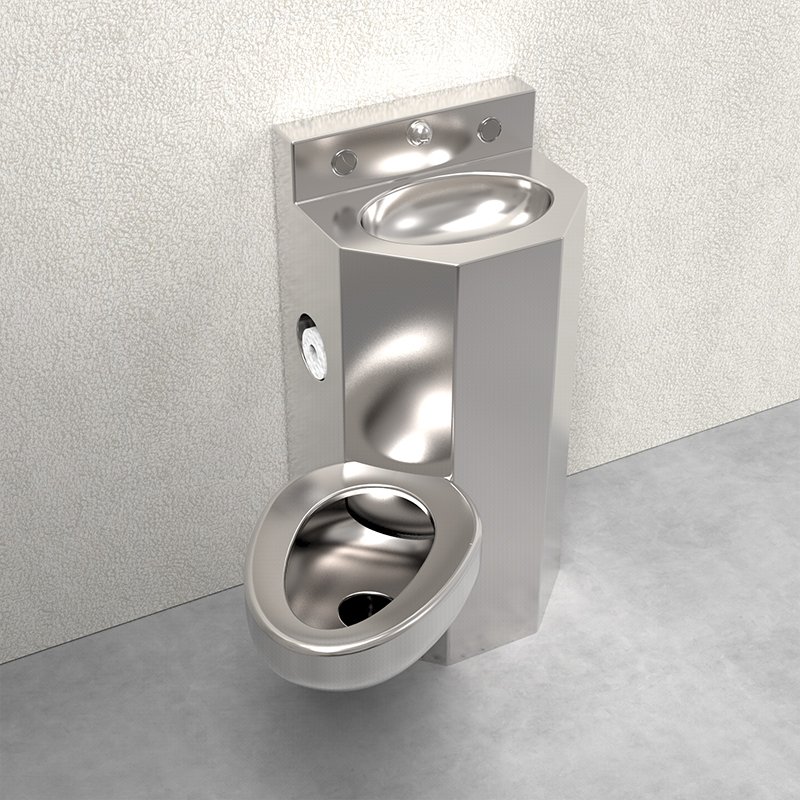
This is a Stainless Steel Combination toilet, including the basin, tissue box, and toilet. The client ordered 159 pieces one month ago.
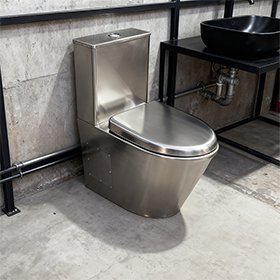
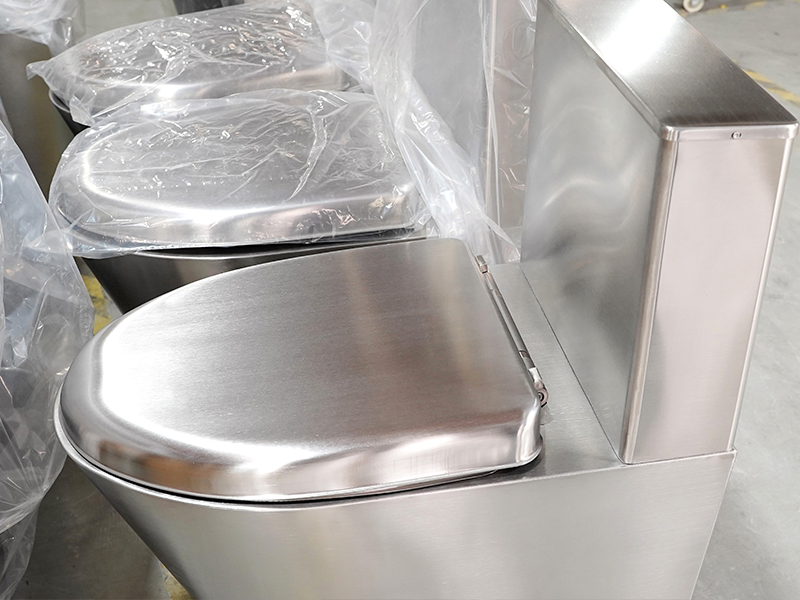
This is a regular toilet, floor standing, with floor drainage, including a water tank, toilet seat cushion, and toilet lid. The customer customized 350 sets six months ago
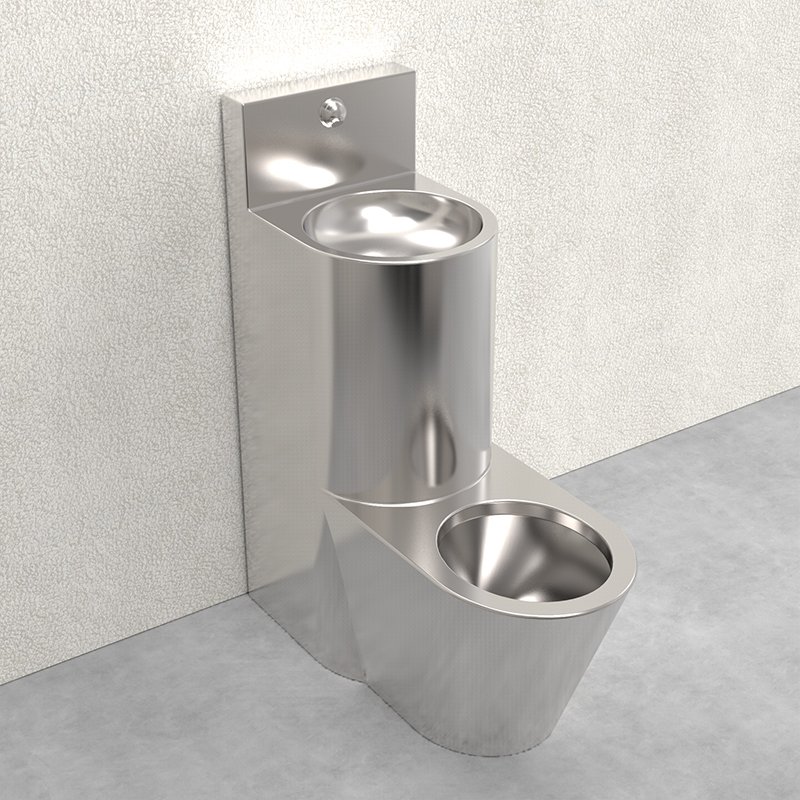
This is a one-piece toilet, with the lower part being the toilet and the upper part being the washbasin. It comes with a faucet and can be pressed to release water. The customer ordered over 500 sets a year ago
- 2D Drawing
- Specification
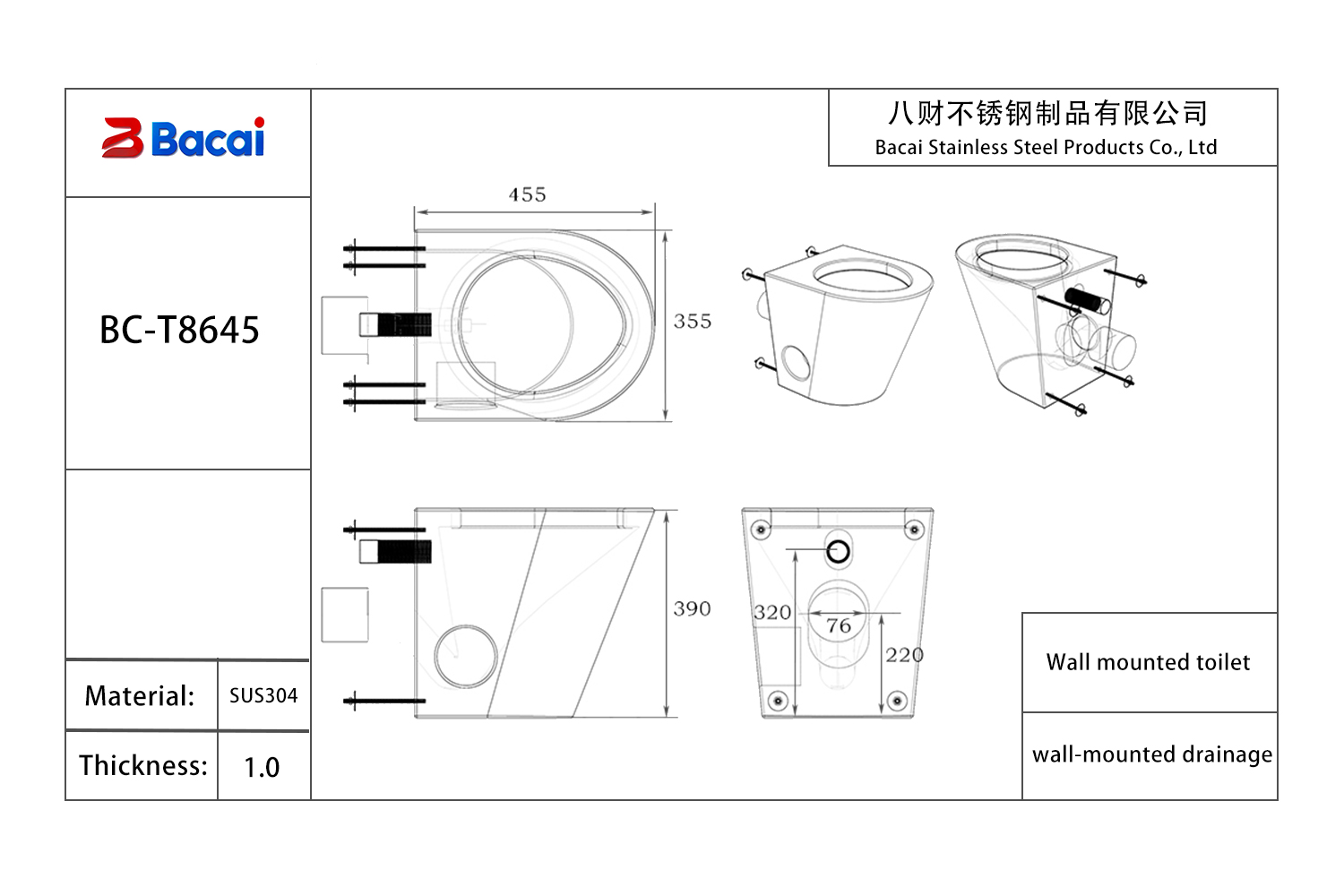
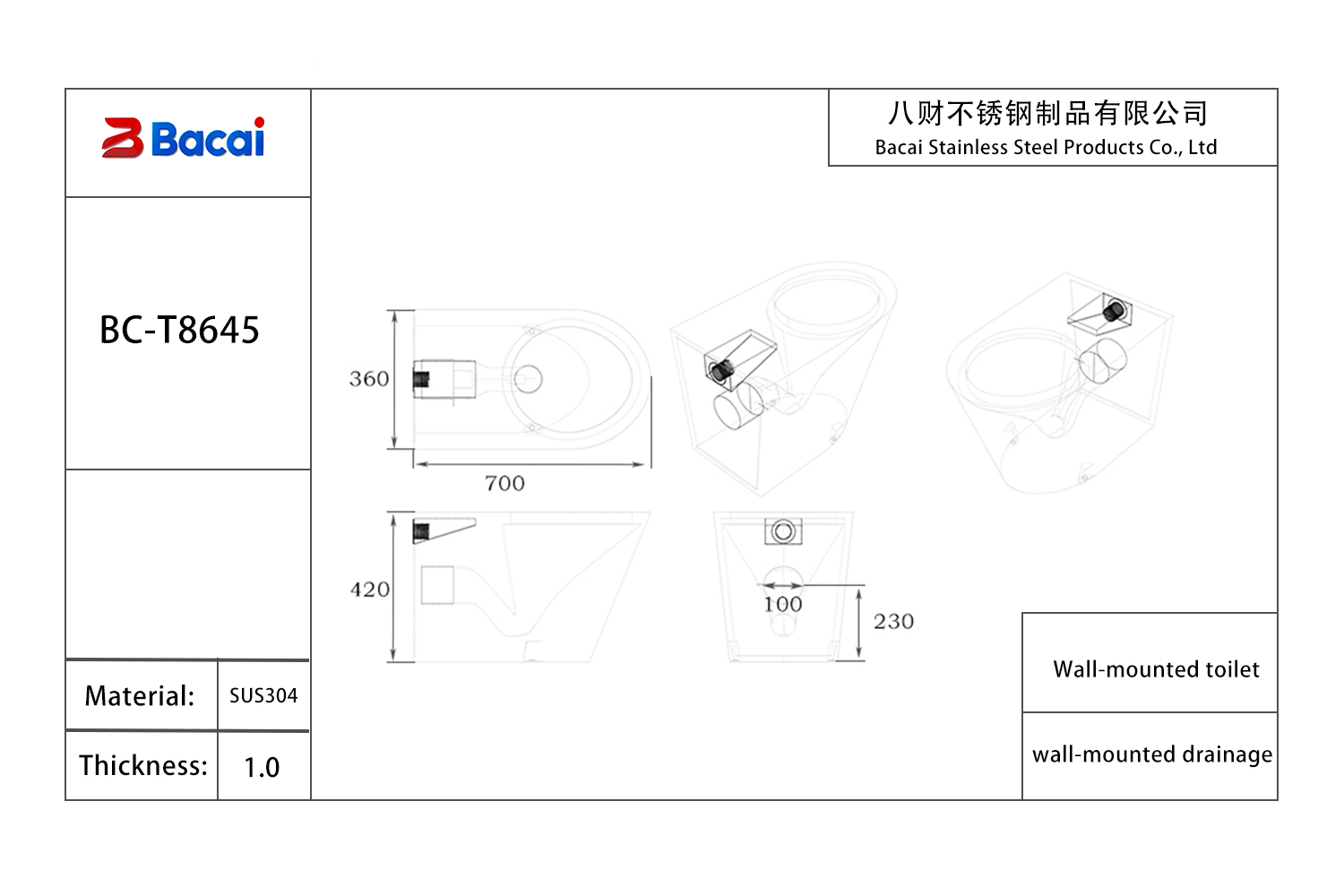
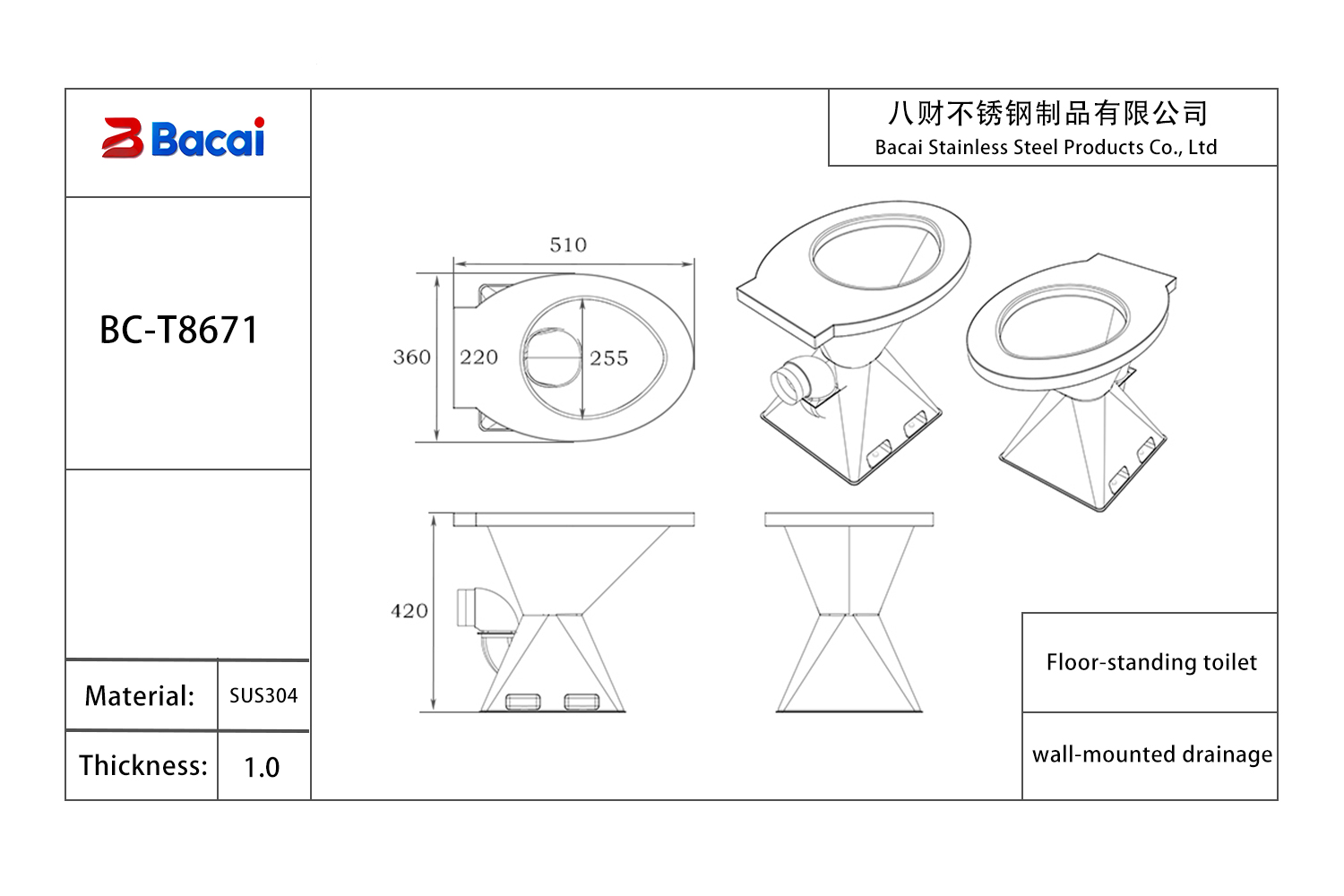
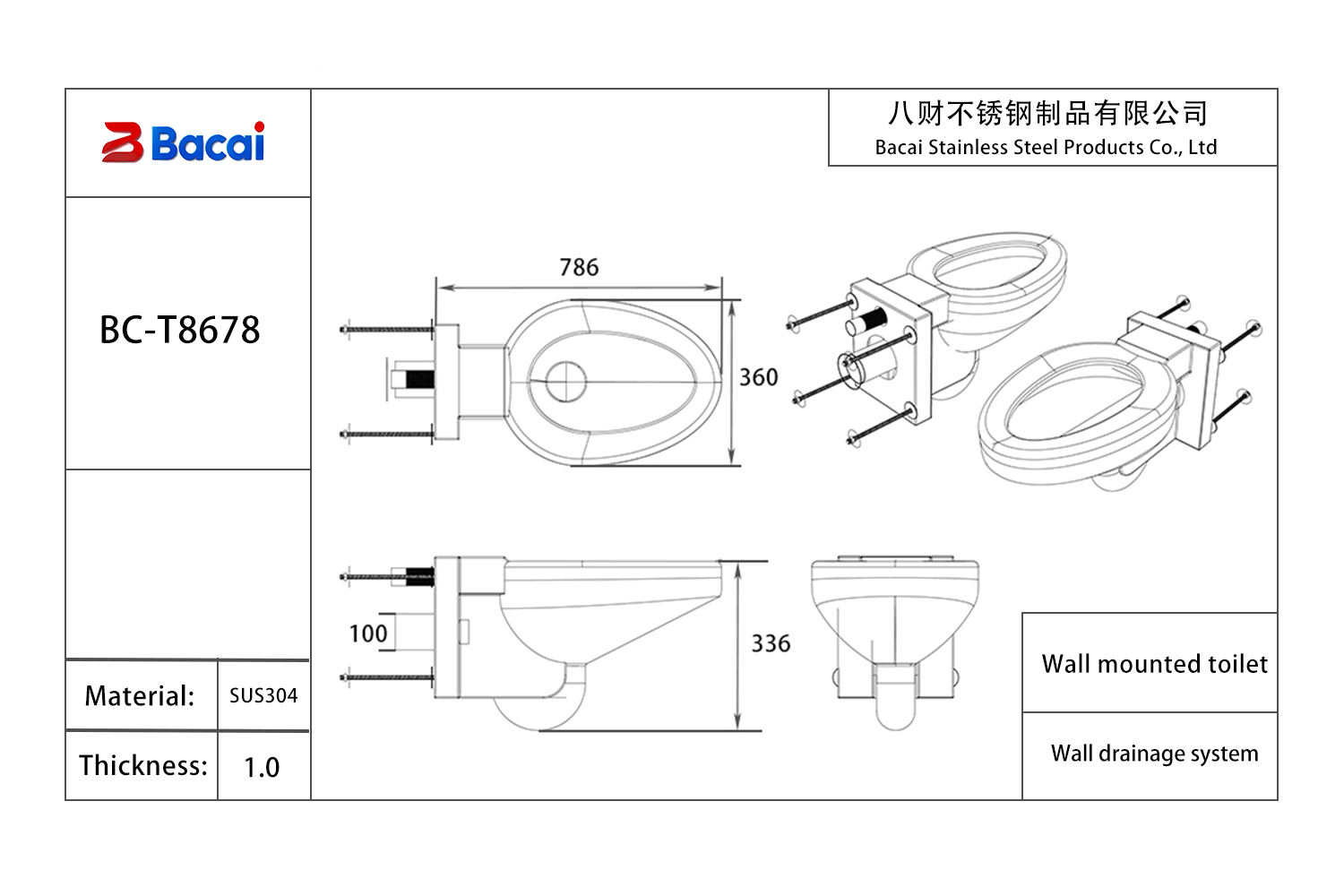
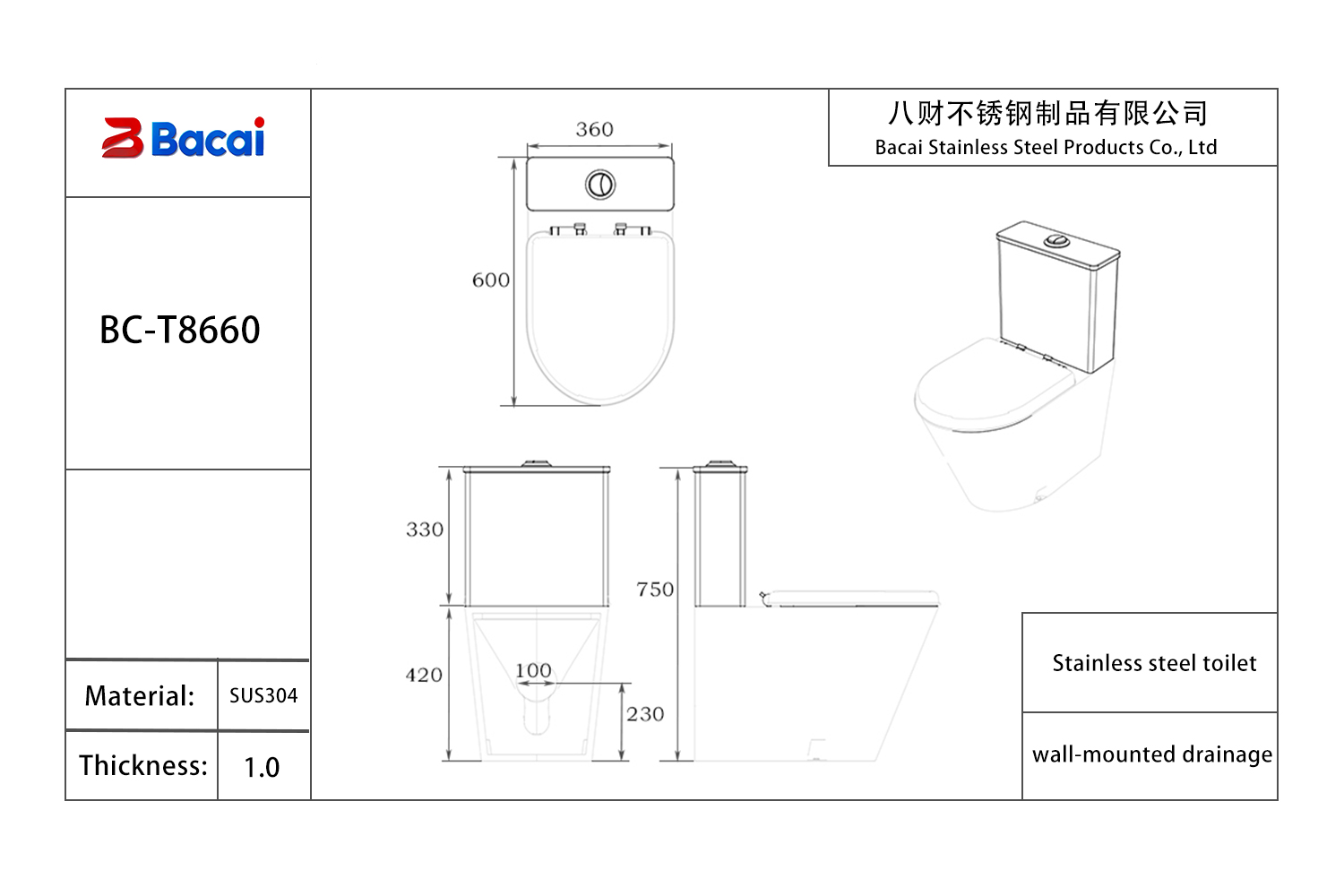
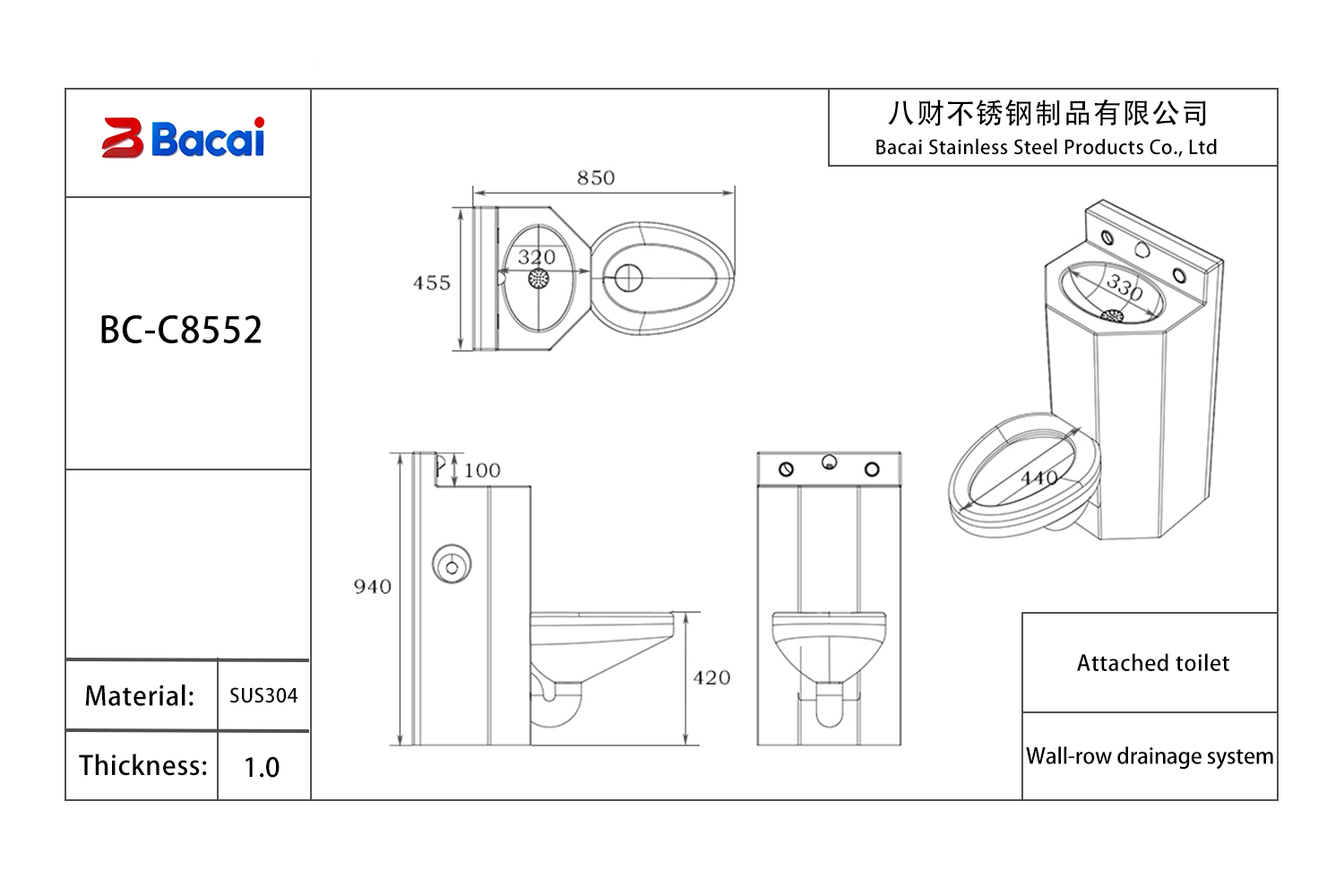
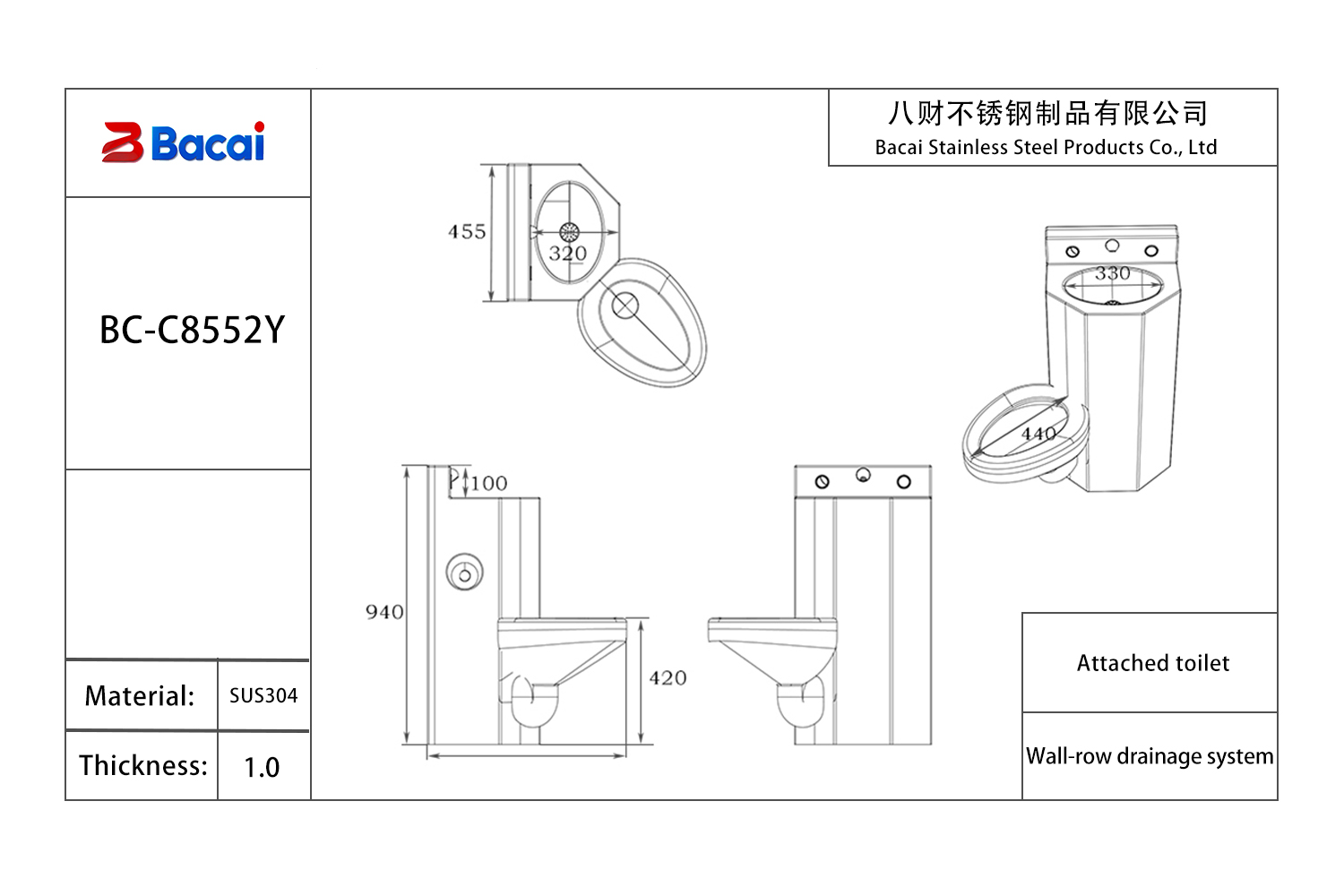
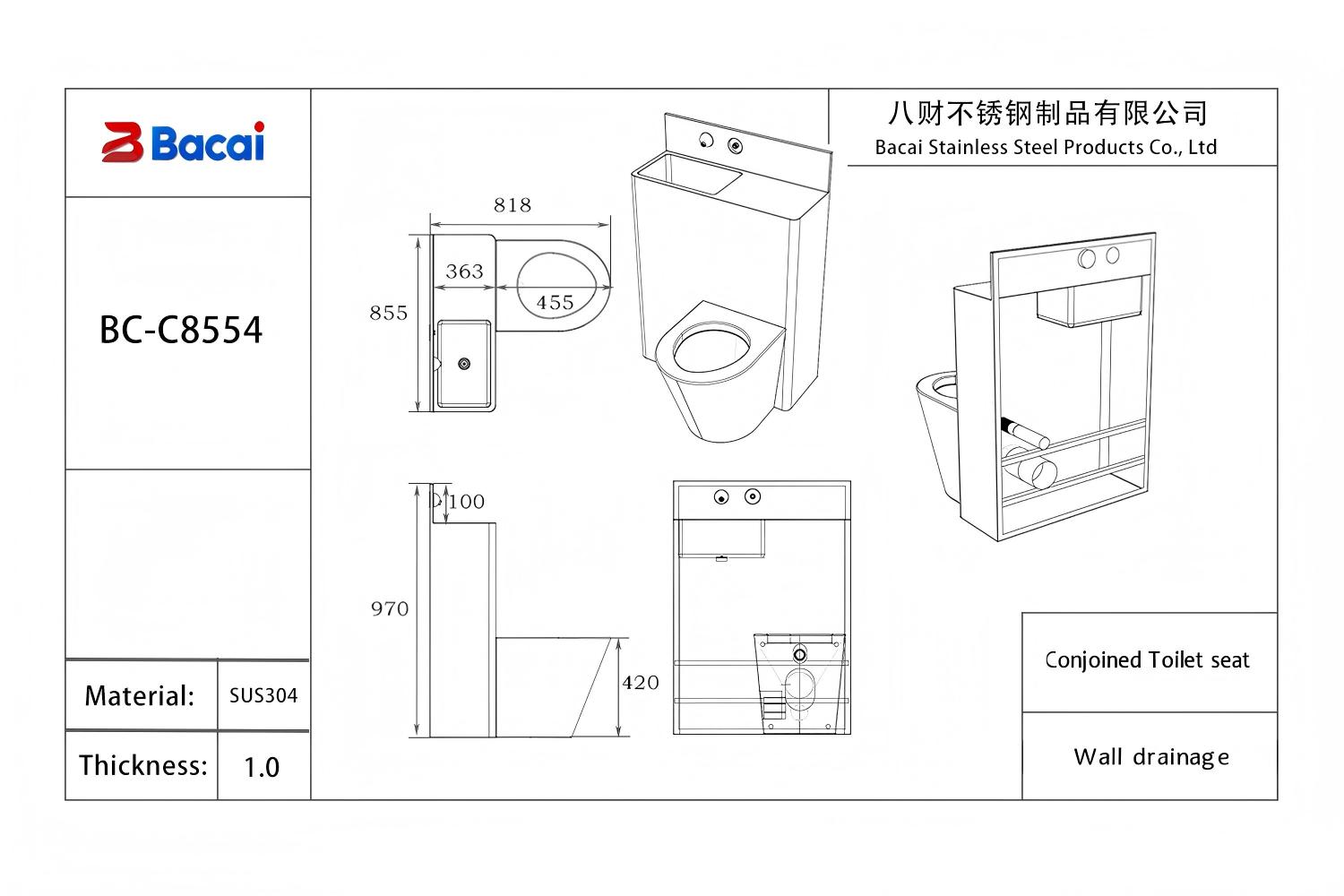
| Product Name: | Stainless steel toilet | Material: | SUS304 | ||||
| Thickness(mm): | 1.0/1.2/1.5 | Surface Finished: | Polishing/Wire Drawing | ||||
| Packaging: | carton | Installation: | Floor standing /Wall mounted | ||||
| OEM/ODM: | Available | Surface Color: | Optional for colored surface | ||||
| Surface Color: | Optional for colored surface | Drain Pattern: | P-Trap/S-Trap | ||||
| Suitable for: | Prisons, hospitals, schools, trains, planes, etc | ||||||
Clients Feedback
From placing the order to shipping from the factory, your production progress is still very fast and did not delay my time. The logistics helped me deliver the product to the site and I am very satisfied with it. Thank you to their entire team for their efforts.
Afif QasemSaudi Arabiabacai is a responsible supplier They have provided many production plans for our projects. We have cooperated with each other for many times and they are trustworthy and have helped me win many public projects.Their product line is complete, including squat toilets, toilets, urinals, and washbasins, which saves time in procurement and eliminates the need to connect with many manufacturers at the same time. All purchases can be completed in their factory
Ong HengZheMalaysia
Compared with ceramic toilets, stainless steel toilets are more resistant to damage and can withstand severe impacts without being damaged. If it is a ceramic toilet, it is easily damaged by external forces. Compared to ceramic toilets, stainless steel toilets are more durable, with a lifespan typically 2-3 times longer. Compared with ceramic toilets, stainless steel toilets are easier to clean. Ceramic toilets are prone to dirt, while stainless steel toilets do not. The surface of stainless steel toilets is smoother and easier to clean.
Stainless steel material has the characteristics of rust prevention and resistance to corrosion. Even in humid or poor environments, it is not easily damaged or corroded, and has excellent toughness. Unlike ceramic toilets, when subjected to drastic temperature changes, their toughness is affected and the surface is easily corroded,
Compared to ceramic toilets, stainless steel toilets are easier to install because they are lighter in weight and easy to transport. They only need to be fixed to the ground or wall with screws
The stainless steel material used in stainless steel toilets is a recyclable material that can be recycled. Moreover, the lifespan of stainless steel material is longer than that of ceramics, usually reaching about 8-10 years. When the toilet is not in use, the material can also be recycled, which will not cause pollution. In addition, it is easy to maintain during use and has correspondingly lower carbon emissions.
Choosing the right prison toilet
The selection of sanitation facilities in prisons is of great importance, as it relates to the physical and mental health of inmates. Prison toilets are an important sanitation facility in prisons. When selecting prison toilets, considering the special environment of prisons, safety, durability, and ease of maintenance should be taken into account.
Safety is the primary consideration for prison toilets
Due to the unique nature of prisons, it is essential to consider potential extreme situations and ensure a healthy living environment for inmates. When designing toilets in prisons, the primary consideration must be minimizing potential security risks and preventing inmates from using them for self-harm or weaponizing them.
Prison toilets are designed to ensure security through the following features:
1. Made of 304/316 stainless steel, highly resistant to damage.
2. Rounded design with no sharp edges.
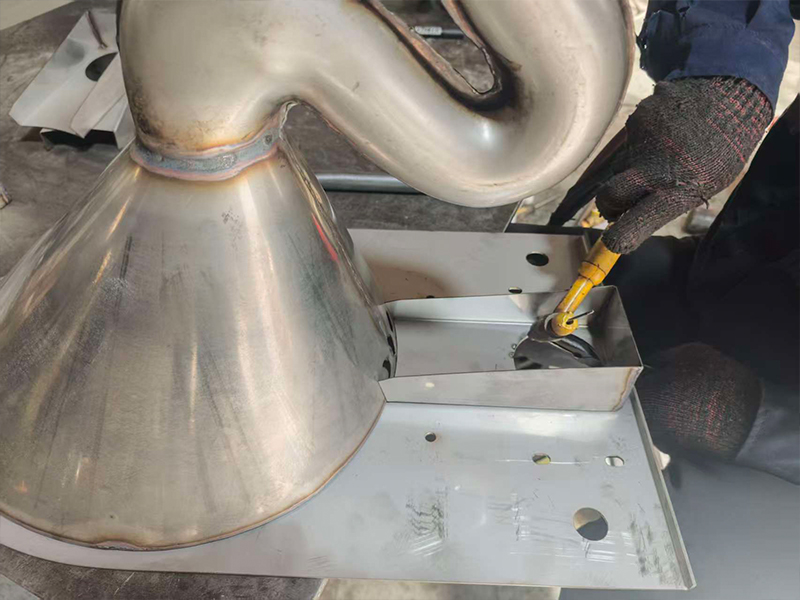
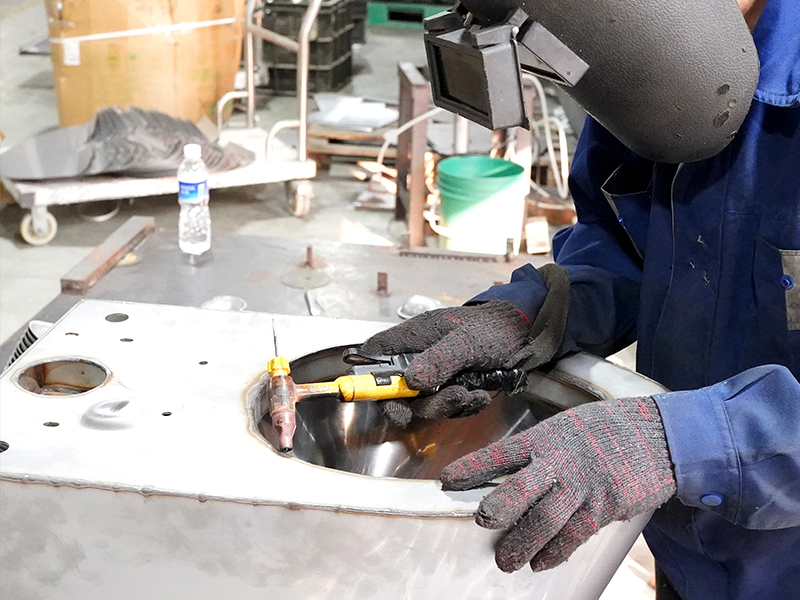
3. Seamless, one-piece welding with no gaps.
4. Concealed plumbing installation.
Stainless steel is extremely strong and can withstand external impacts. It’s even used in aerospace applications, which demonstrates its exceptional strength and ability to withstand extreme environments.
The stainless steel prison toilet features a rounded design, with every edge and corner rounded to eliminate sharp edges, so there’s no need to worry about prisoners getting injured from bumps.
All facilities within the prison are designed to prevent inmates from concealing contraband. The stainless steel toilets are seamlessly welded with a completely enclosed design; there are no gaps between the toilet and the sink, and no other permitted space to hide items, making it impossible to conceal contraband.
The stainless steel toilet’s inlet and outlet pipes are concealed internally. After installation, they connect to the pipes within the wall, making them inaccessible to prisoners and eliminating the risk of damage.
The durability of prison toilets is crucial
Prison inmates have limited space and living facilities. Toilets are one of the most frequently used items, leading to frequent contact and even the development of alternative uses. Therefore, the durability of prison toilets is crucial. If they are not durable, they will need frequent replacements, causing a sharp increase in the operating costs of prison facilities.
Compared to ceramic and plastic, stainless steel is more impact-resistant and less prone to breakage. Its chromium oxide coating prevents oxidation and rust, maintaining a new appearance even with long-term friction and use. Therefore, stainless steel toilets are commonly used in prisons.
Although the initial purchase cost of stainless steel toilets is higher than that of ceramic and plastic toilets, their lifespan is much longer. With normal maintenance, they can typically last 20-50 years, which is unmatched by ceramic and plastic toilets. Over the long term, the reduced need for frequent toilet replacements results in lower overall costs.
Stainless steel toilets are easy to clean
Stainless steel toilets have a smooth surface that prevents stains, bacteria, and sewage from adhering. They are odorless and easy to clean daily with just water and a soft cloth. If there is rust or severe stains, a neutral detergent and white vinegar can be used with a cloth to remove them. Maintenance is convenient and cost-effective.
Choosing a reliable manufacturer is key when purchasing stainless steel toilets.
Bacai Stainless Steel is a manufacturer specializing in stainless steel prison equipment. With over ten years of design and manufacturing experience, we can meet diverse customization needs. We strictly control quality to provide customers with high-quality stainless steel toilets. Our after-sales service is available 24/7; we’re here to solve any problems you may have.
The thickness of the materials used in different parts of a stainless steel toilet varies. The panel is 2.5mm thick, which is the part that bears the weight of the toilet. The flushing basin is 1.0mm thick, the toilet bowl is also 1.0mm thick, the seat and lid are 1.5mm thick, and the tank is 1.0mm thick.
Stainless steel toilets all have an S-bend at the bottom. After water comes out of the inlet pipe, it quickly enters the S-bend, creating a siphon effect that draws away waste and water, completing the entire flushing process. This process is called siphon flushing.
Stainless steel toilets come in floor-standing, wall-hung, and combination models with a sink. Floor-standing toilets are typically used outdoors, in hospitals, schools, stadiums, and other high-traffic areas; wall-hung toilets are commonly used on ships, airplanes, high-speed trains, and other spaces with limited space; and toilet-sink combinations are often used in correctional facilities such as prisons, detention centers, and interrogation rooms.
304 stainless steel and 316 stainless steel are quite similar in general and can be used in most scenarios. However, because 316 stainless steel contains molybdenum, it has stronger resistance to high temperatures, corrosion, and chlorine. 316 stainless steel toilets are usually used in marine environments or chemical-related places. In most cases, 304 stainless steel is sufficient, and it is also cheaper than 316 stainless steel.
The stainless steel toilet bowl features a brushed finish, resulting in a neat, aesthetically pleasing texture that is easy to clean. The bowl itself is polished, giving it a bright, smooth surface that prevents stains from easily accumulating.
Stainless steel toilets typically have a lifespan of 20-50 years if properly maintained and free from serious intentional damage.
Stainless steel is corrosion-resistant and not easily oxidized by water and air.
Stainless steel has high strength and can withstand external impacts without easily breaking or being damaged.
Stainless steel is wear-resistant; minor friction and scratches will not affect its use.
Stainless steel has a smooth surface, does not easily accumulate dirt, and is easy to clean and maintain.
Stainless steel toilets don’t rust because they contain chromium, which forms a layer of chromium oxide on the surface, preventing corrosion from oxygen. However, stainless steel can still rust when the chromium oxide is damaged. Therefore, stainless steel surfaces also need to be cleaned and maintained properly to prevent iron filings and dirt from remaining and damaging the chromium oxide layer.
The size, style, and color of stainless steel toilets can all be customized. You can send us your drawings, and we are a professional stainless steel toilet factory that can design and manufacture according to your drawings.
Stainless steel toilets only require normal maintenance. Remember to use clean water and a cloth. If there are stains or grease, you can use white vinegar and a neutral detergent. Remember not to use brushes or steel wool, as they will damage the oxide film on the surface.