
Shower equipment designed for standard commercial bathrooms is unsuitable for specialized correctional facilities—such as prisons, detention centers, and holding facilities—due to differing security requirements. Many contractors and purchasers fail to distinguish between standard commercial and correctional-grade equipment; consequently, installations often fail to pass inspection, or—even if functional—incur prohibitively high maintenance costs.
This article outlines how to select shower systems specifically designed for correctional facilities.
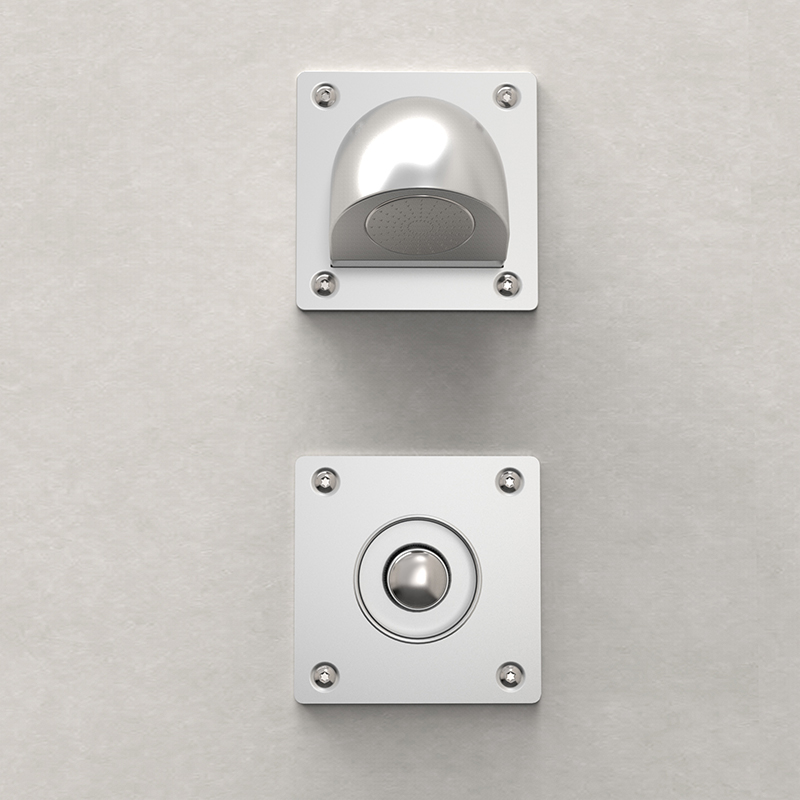
Mandatory Requirements:
Tamper and Removal Resistance
All screws, valves, and piping must feature a concealed, recessed design; no detachable parts may be exposed. Detachable shower hoses or external knobs can be repurposed as dangerous weapons; therefore, correctional institutions prioritize integrated, recessed shower panels that lack components removable by hand.
Anti-Ligature Design
The entire unit features rounded edges and corners to eliminate protruding angles, hooks, or crevices. The smooth, seamless surface complies with prison safety standards, effectively mitigating the risk of self-harm via hanging.
Thermostatic Anti-Scald Protection
To prevent scalding from excessively hot water, compliant correctional shower systems feature built-in thermostatic mixing valves. Water temperature is fixed within a safe range, preventing manual adjustment by users and eliminating the risk of scalding at the source.
Corrosion Resistance
Shower areas are constantly exposed to high humidity and standing water, causing standard iron or plastic components to rust and degrade rapidly. Thickened stainless steel is the industry standard, capable of withstanding years of frequent, rough usage.
Low Failure Rate
Low failure rates are achieved through rigorous production and testing protocols. Professional manufacturers conduct quality inspections on every system before shipment. For instance, reputable brands manually weld and hydrostatically test every piping component to ensure quality. Such quality control measures guarantee that the product meets high reliability standards prior to installation.
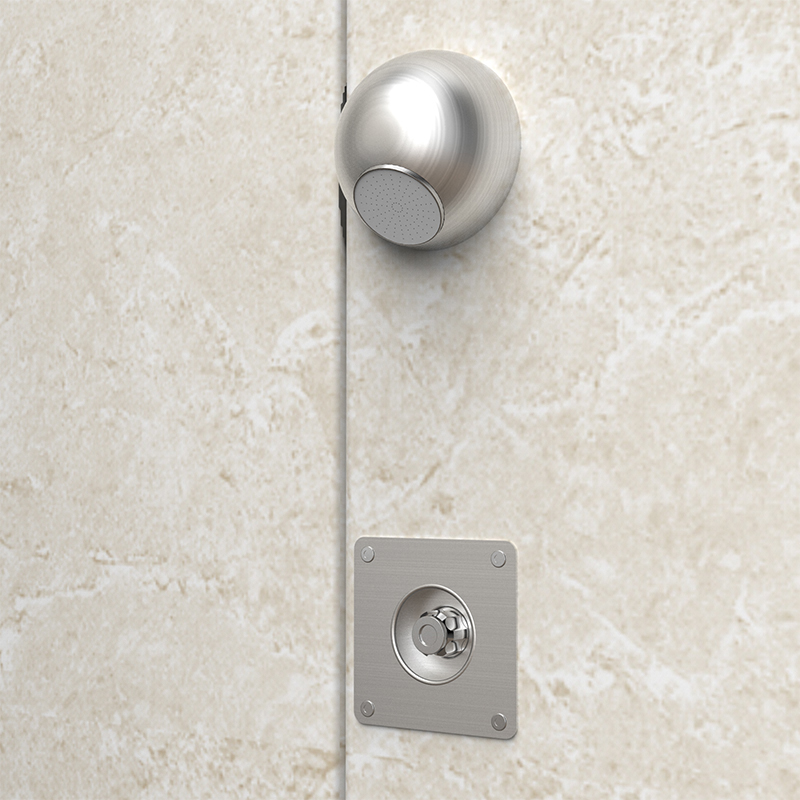
Key Parameters to Consider When Purchasing
- Water Flow Rate and Water-Saving Performance
Commercial public restrooms generally require a flow rate of ≤2.0 GPM; push-button models with timed shut-off can significantly reduce water consumption, leading to substantial savings on water bills over the long term.
- Water Pressure Compatibility
Water pressure in older correctional facilities can be unstable; prioritize shower valves compatible with a wide pressure range (1–5 bar) to ensure steady output even at low pressure and to minimize the risk of valve cartridge clogging.
Why Are Stainless Steel Shower Systems Better Suited for Prisons?
Stainless steel shower systems offer key advantages: resistance to vandalism and tampering, mitigation of self-harm (ligature) risks, and durability against rust and corrosion in humid environments. They feature easy-to-clean surfaces, a long service life, and concealed installation designs that eliminate security vulnerabilities, making them the preferred choice for shower facilities in high-security settings such as prisons, detention centers, and drug rehabilitation centers.
How Can Prison Shower Facilities Reduce Long-Term Maintenance Costs?
Emergency repairs following a breakdown are far costlier than scheduled inspections and maintenance; establishing a standardized maintenance routine to reduce the frequency of malfunctions is essential for lowering costs.
Implement a fixed inspection schedule—conducted monthly or quarterly—to check for issues such as hidden leaks, loose brackets, abnormal water pressure, and clogged showerheads. Neglecting minor leaks over time can lead to wall seepage and mold growth, necessitating major structural repairs.
Establish specific cleaning protocols for stainless steel shower equipment. Prohibit the use of abrasive cleaners, which can strip away the protective surface layer of the stainless steel, making it more prone to rusting and dirt accumulation, and ultimately shortening the equipment’s lifespan.
Train on-site maintenance staff to handle basic troubleshooting. Minor issues—such as slight clogs or loose fasteners—can be resolved on-site without hiring external repair personnel, thereby saving on labor costs.
Summary
Selecting a shower system for a correctional facility involves more than simply purchasing standard public showerheads. Buyers must comprehensively evaluate factors such as vandalism resistance, safety designs that prevent ligature points, thermostatic anti-scald protection, stainless steel construction, industry compliance certifications, water-saving capabilities, and long-term maintenance costs. Contractors should select durable, secure, and specialized shower equipment to create stable, compliant bathing areas within the facility.
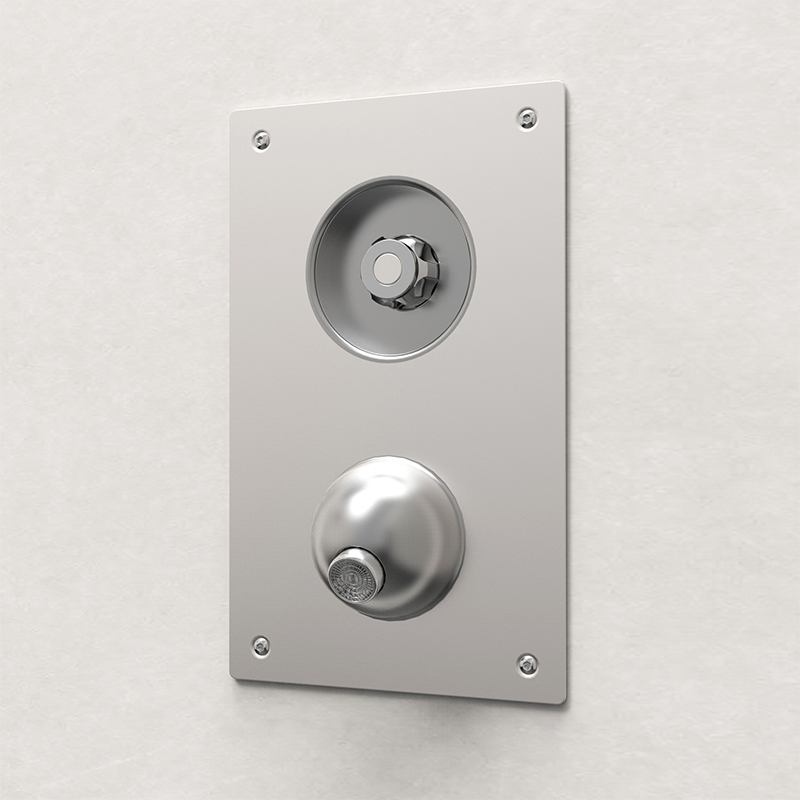
Where can prison shower systems be purchased?
Bachai Stainless Steel Products Factory specializes in manufacturing sanitary equipment for correctional facilities, having customized systems for over 200 prisons worldwide. We produce a full range of sanitary fixtures for detention centers—including stainless steel washbasins, toilets, showers, and urinals—and employ an in-house design team to meet diverse customization needs and ensure the successful implementation of your project.
FAQ
1: What material is preferred for prison shower systems?
Standard facilities typically use 304 brushed stainless steel; coastal locations or areas with high-chloride water quality require an upgrade to 316 stainless steel; internal valve cores are consistently made of brass.
2: Do all showers in detention centers require timed water control?
High-security housing units mandate timed water shut-off; however, standard thermostatic showers may be used in staff bathrooms and low-security areas.
3: What is the service life of stainless steel prison shower systems?
With proper maintenance, high-quality stainless steel shower systems typically last between 15 and 25 years.
4: Can the water flow duration for push-button showers be customized?
Most manufacturers allow the flow duration to be set freely—typically within a range of 3 to 40 seconds—to comply with facility management regulations.
5: Can prison shower systems be customized?
Yes. Manufacturers can customize dimensions, installation methods, and configuration plans based on the specific requirements of the facility.