
Unlike commercial furniture, when procuring prison furniture, governments, contractors, and purchasers typically prioritize durability and safety, with aesthetics being a secondary consideration. Prison furniture must protect people from harm and withstand the harsh prison environment; comfort is only a secondary factor.
As a prison facility purchaser, we can offer some advice on finding suitable prison furniture to create a safe and healthy environment for prisons. This article will analyze how to choose the right prison furniture.
What Is Prison Furniture?
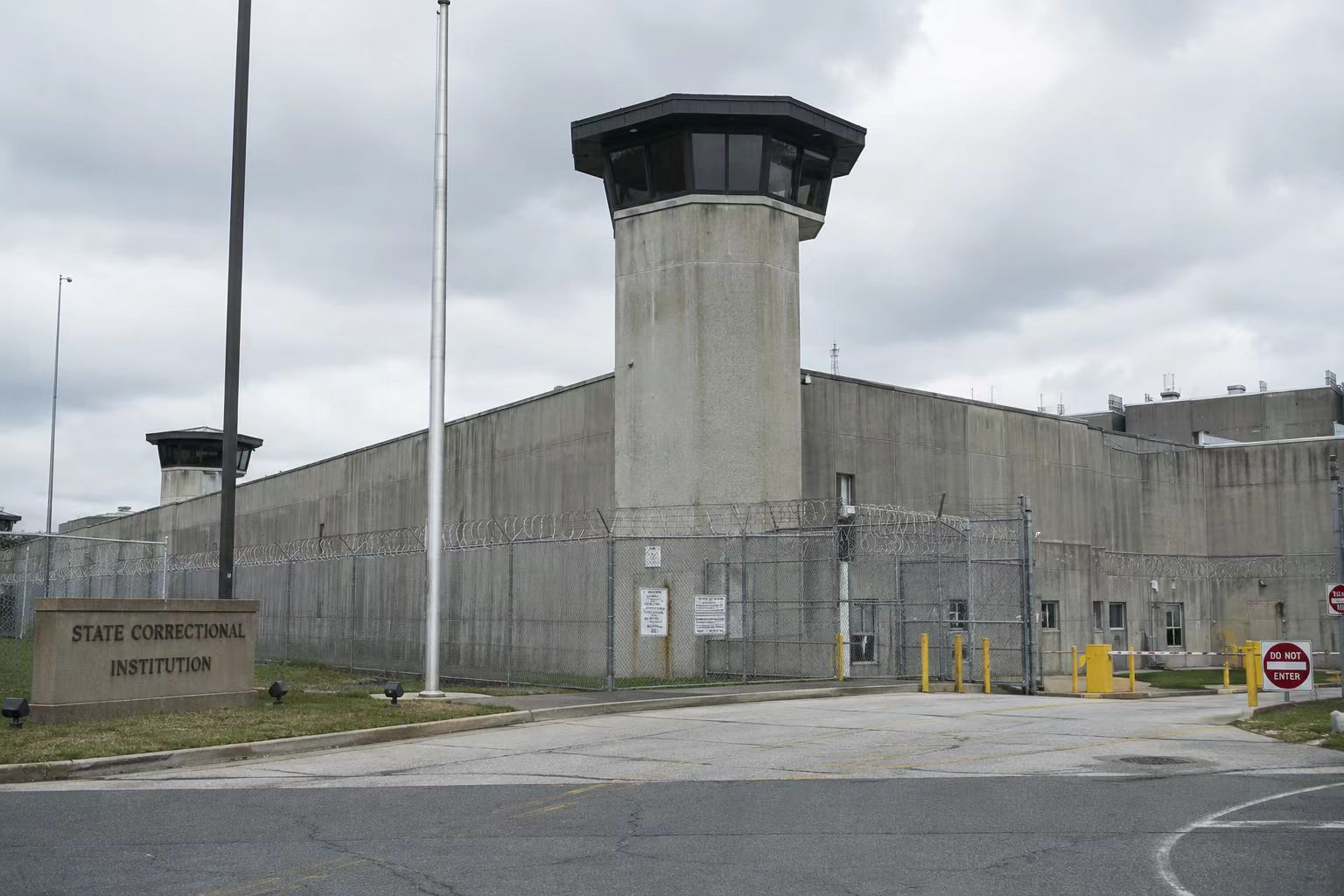
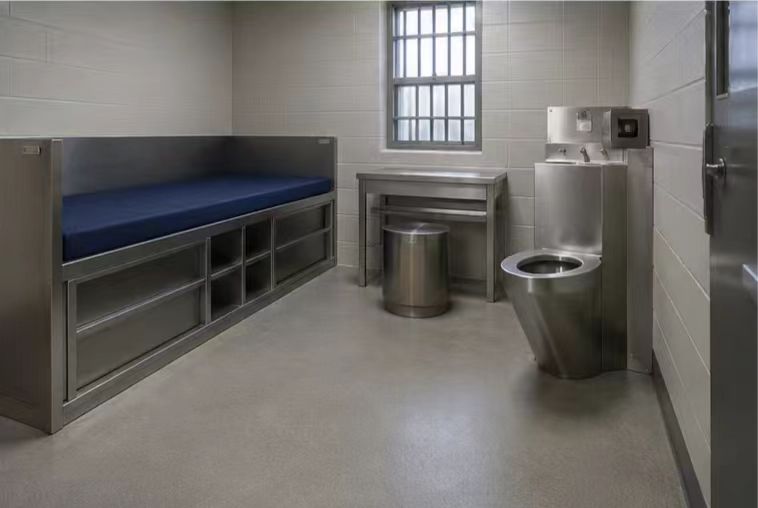
Prison furniture is specifically designed for correctional facilities such as cells, detention centers, police stations, and juvenile delinquency agencies. It can withstand high-intensity use, has the ability to prevent suicide and resist vandalism, is healthy and hygienic, and helps with rehabilitation.
Types of prison furniture:
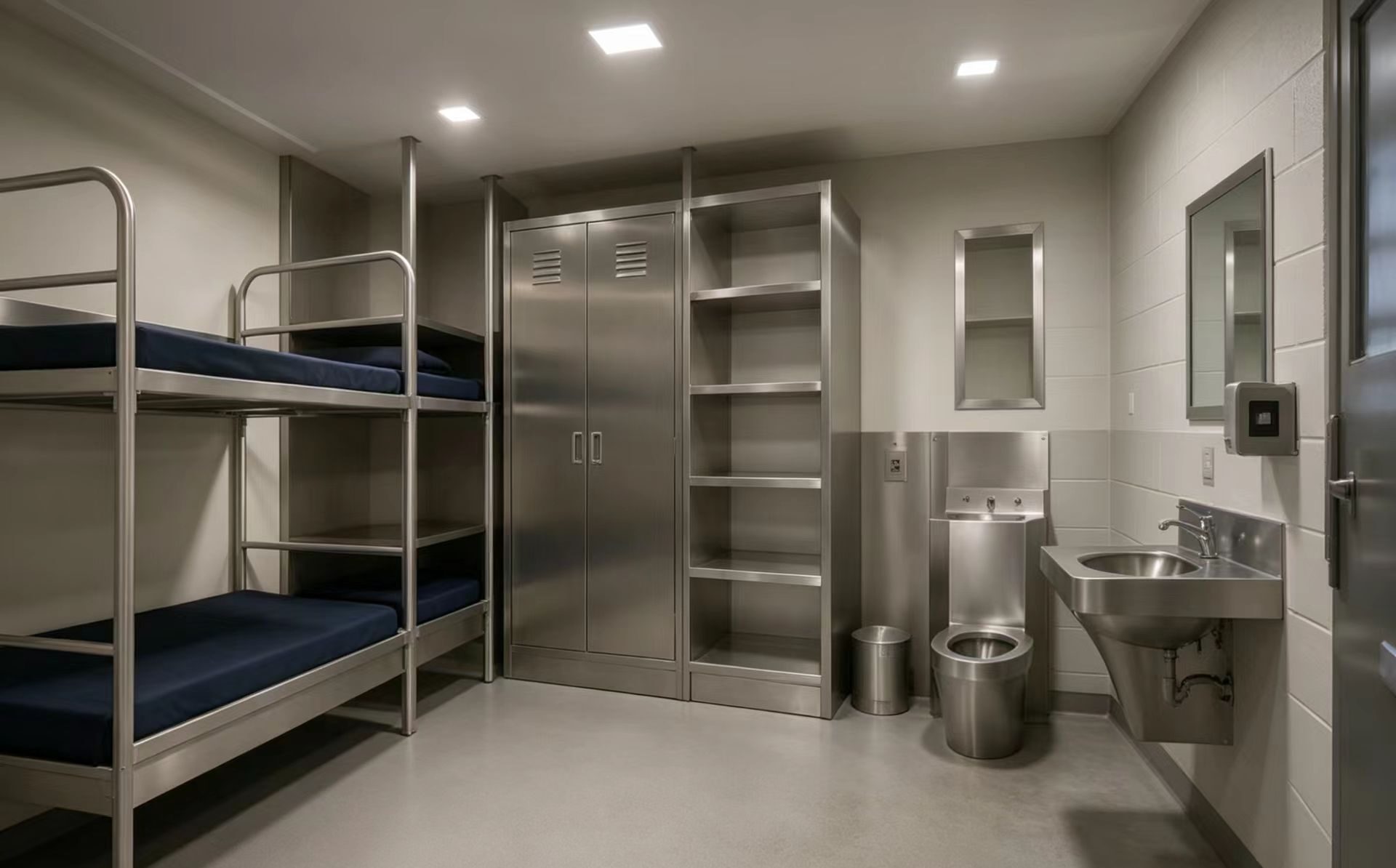
Prison Beds: Used in single and multi-person prison dormitories, including single, double, and triple bunk beds;
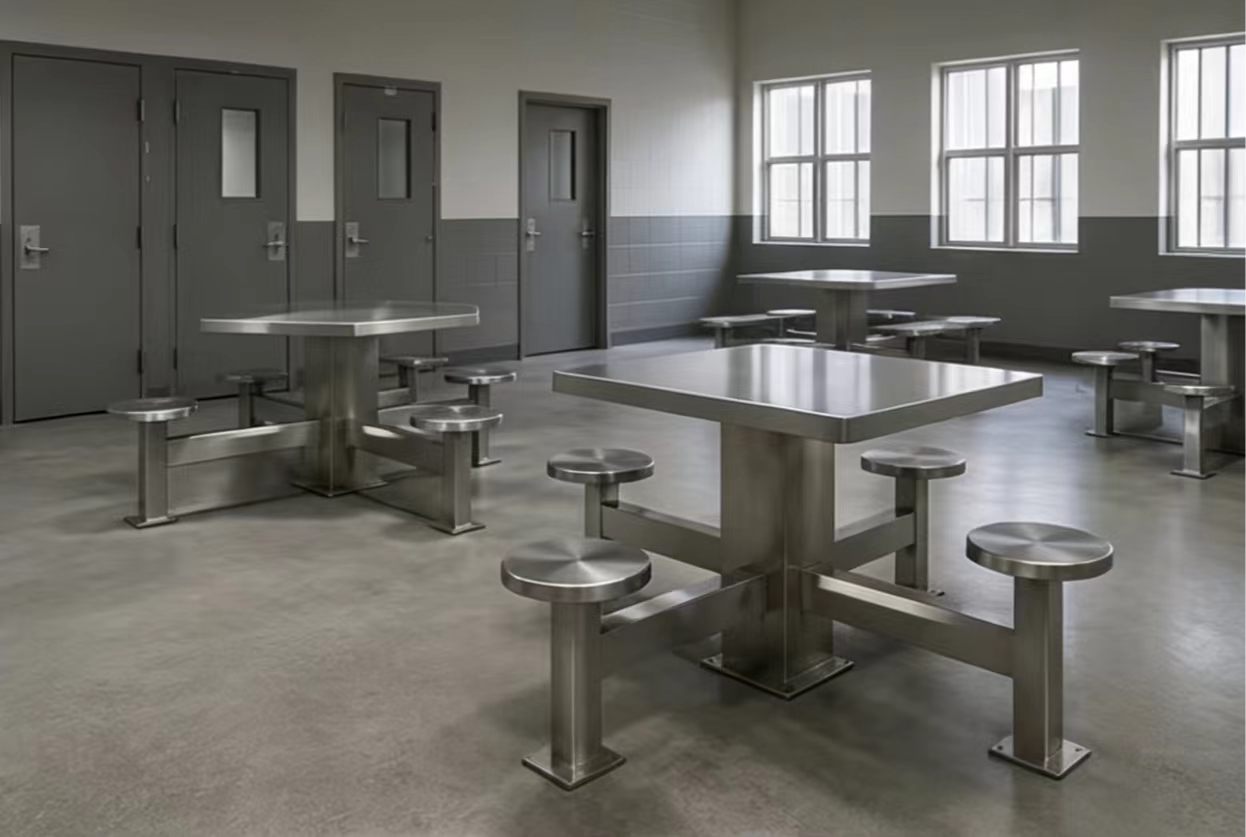
Prison Tables: Used in prison dormitories, canteens, interrogation rooms, medical rooms, and outdoors, including square, round, and integrated tables with stools;
Prison Bench : Used in prison dormitories, activity areas, interrogation rooms, and outdoors, including round and rectangular chairs, single stools, and multi-person benches;
Prison Lockers: Usually located in dormitories or bathrooms;
Clothes Hooks: Used in shower rooms for hanging clothes when needed, but otherwise cannot be used for hanging anything.
Factors to consider when choosing prison furniture:
1.Material
Plastic: The biggest advantages of plastic are its lightness, low cost, and ease of use. However, it has low load-bearing capacity, average strength, and a short lifespan. Nevertheless, with advancements in materials science, the strength of plastic is improving, and some small correctional facilities and psychiatric hospitals choose plastic.
Wood: Wood has natural grain, making it more aesthetically pleasing and textured. It’s a common material for commercial furniture and has a long lifespan. However, it’s not fireproof, has average impact resistance, and is easily damaged, so prison facilities rarely use wood.
Steel: Steel is extremely strong, sturdy, and has a high load-bearing capacity and long lifespan. However, ordinary steel is prone to corrosion and rust, and it’s also expensive. For indoor environments where rain corrosion is not a concern and high strength is required, steel furniture can be purchased.
Stainless Steel: Stainless steel is corrosion-resistant and rust-proof, sturdy and tough, easy to maintain, and has a very long lifespan. However, it’s expensive. Currently, stainless steel is the most widely used material and the choice of most prison purchasers.
2.Anti-Vandal
Vandal resistance is the primary criterion for prison furniture procurement. Prisons are places with the highest potential risk of violence, and all prison facilities must be capable of withstanding violent attacks to avoid frequent repurchases after damage, increasing the prison’s operating costs and burden. Vandal resistance is mainly reflected in the following aspects:
1. Sturdy and Impact-Resistant: The overall structure is sturdy and will not deform or disintegrate under violent impact. The materials have high strength, are resistant to damage, and have strong load-bearing capacity, preventing easy collapse.
2. No Hiding Space: There are no hidden or secluded spaces; all spaces are open, making it impossible to hide contraband or weapons, reducing the possibility of violent incidents.
3. Tamper-Proof Fasteners: Components are usually installed from the inside, making them impossible to disassemble or damage.
4. Seamless: There are no gaps at the joints between different parts of the furniture, making it impossible to damage the furniture through the joints.
3.Anti-Ligature
Statistics show that half of the unnatural deaths of prisoners are due to suicide. Preventing prison suicide is one of the primary responsibilities of prison management. Prison furniture needs to be designed to be suicide-proof to reduce the risk of inmate suicide. The suicide-proof design of prison furniture is mainly reflected in the following aspects:
**Prevents Hanging:** There are no parts to secure ropes, no exposed supports, and handles are concealed. Even coat hooks can only hold the weight of one garment.
**Smooth Surface:** The surface is smooth with low friction, making it easy for ropes tied to the frame to slip and become unsecured.
**Rounded Corners and Edges:** All edges and corners are designed to be rounded, with no sharp edges or corners, eliminating the opportunity for inmates to self-harm.
4.Thickness and Construction Quality
| Application | Recommended Thickness |
| Standard detention areas | 1.2mm–1.5mm |
| High-security facilities | 2.0mm+ |
| Heavy-duty bed frames | 2.0mm–3.0mm |
Also evaluate:
- Weld quality
- Surface finishing
- Structural reinforcement
- Load-bearing capacity
5.Fixed Furniture
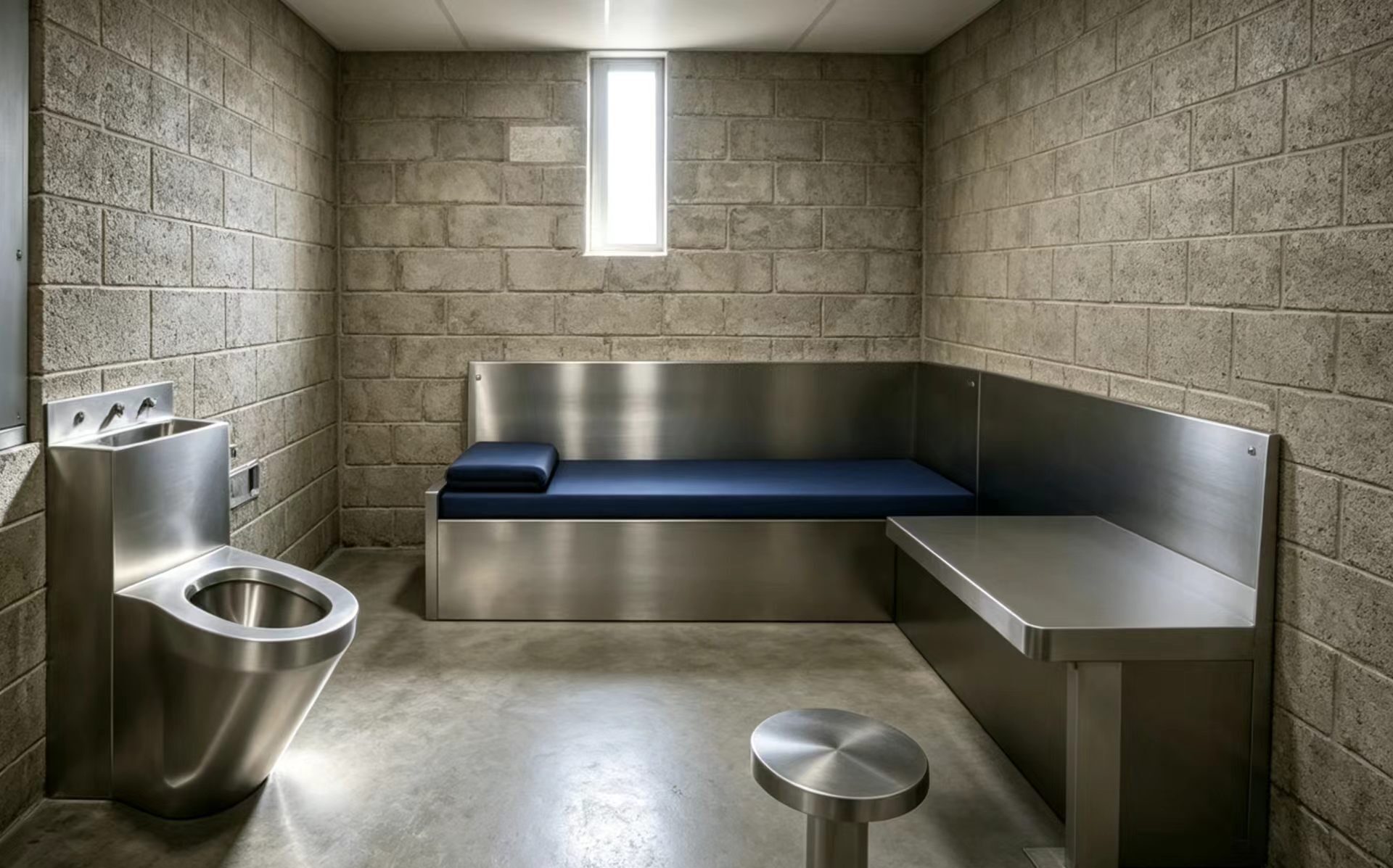
Prison furniture is typically fixed and embedded, rather than movable, a design choice made for security reasons. Fixed prison furniture offers several advantages:
Preventing loss: Prison furniture is generally fixed to the ground or wall and cannot be moved, thus preventing loss and avoiding frequent furniture replacements that increase prison operating costs.
Reducing misuse: Prison furniture is highly susceptible to misuse as weapons; a fixed design prevents it from being moved, reducing the risk of misuse.
More durable: Compared to freestanding furniture, fixed furniture is less likely to be moved, thrown, or damaged.
6.Maintenance Requirements
The rate of inmate deaths from illness is not low, making the maintenance of a healthy and hygienic prison environment a crucial aspect of prison management. Prison furniture must be hygienic and easy to clean and disinfect daily to create a healthy environment for inmates. Prison furniture must possess the following characteristics:
Smooth and easy-to-clean surface: A smooth surface does not easily accumulate dirt, offering better hygiene and making cleaning simple; a cloth and water are sufficient.
Corrosion resistance: The furniture surface must be corrosion-resistant to withstand the daily cleaning and regular disinfection within the prison. If water stains lead to bacterial growth, it can negatively impact inmates’ health.
7.Compare Long-Term Cost Instead of Initial Price
While steel and stainless steel prison furniture has a high purchase price, it is simple to maintain, has low maintenance costs, and a long lifespan, giving it greater long-term value.
Plastic and wooden furniture has a lower purchase price, but it requires frequent maintenance, has a shorter lifespan, and may need to be replaced frequently, making its long-term cost not low.
Conclusion
Before purchasing prison furniture, buyers should carefully evaluate:
Vulnerability-resistant features
Anti-hanging design
Long service life
Easy maintenance
These features can improve the security of prison facilities, reduce the cost of prison management and operation, and provide lasting protection in the challenging prison environment.
FAQ
What are anti-hanging furniture?
Suicide is the most common form of death in prisons. If suicide prevention is a necessary consideration for prison management, then prison furniture and facilities must be designed to prevent suicide. Suicide-prevention furniture typically has the following characteristics: No sharp parts; rounded edges and corners; cannot be hung; cannot be disassembled.
What is the difference between prison furniture and regular furniture?
Prison furniture is designed for correctional institutions and is characterized by safety, vandalism resistance, and durability; regular furniture is mainly designed for homes or commercial spaces and is characterized by aesthetics, comfort, and cost-effectiveness.
How long is the lifespan of prison furniture?
| Material | Average Lifespan |
| Plastic Furniture | 3–8 Years |
| Wooden Furniture | 5–10 Years |
| Steel Furniture (Powder-Coated) | 10–20 Years |
| Stainless Steel Furniture | 15–25+ Years |
Why Stainless Steel Prison Furniture Is Growing in Popularity
Many prisons are switching to stainless steel furniture because of its advantages: corrosion resistance, easy cleaning, long lifespan, and high security.
Stainless steel furniture is also commonly used for:
Prison bathrooms
Medical wards
High humidity environment
Coastal projects
Looking for a Reliable Prison Furniture Manufacturer?
Only an experienced and reliable supplier can provide high-quality, guaranteed prison furniture.
BACAI Stainless Steel Factory is committed to providing solutions for correctional institutions. With extensive production experience, we have served over 200 prisons and exported to more than 30 countries and regions. We have earned the trust and long-term cooperation of our customers through superior quality and consistent delivery. BACAI welcomes your inquiries.