
Many users unfamiliar with stainless steel may think that its defining characteristic is that it never rusts, but the truth is that stainless steel can rust. This is especially true for stainless steel sinks, which are prone to rusting due to frequent use. However, when rust appears, it’s usually only on the surface, not the sink itself. Today, we’ll learn how to properly handle rust stains.
Why do stainless steel sinks rust?
The key to stainless steel’s corrosion and rust prevention lies in the chromium element it contains. Chromium forms a protective layer on the surface of stainless steel, preventing iron from reacting with oxygen. However, this protective chromium layer can be damaged by frequent abrasion, harsh cleaning methods, or contact with certain substances. Once this anti-oxidation layer is damaged, the iron in the sink begins to combine with oxygen in the air or water, forming rust.
Here are some common reasons why stainless steel rusts:
1.Prolonged exposure to humid environments: Stainless steel is prone to rusting when exposed to water or moisture for extended periods, as oxygen reacts with the iron in the steel.
2.Chloride contamination: Chloride ions, commonly found in salt water or some cleaning products, can accelerate rust formation on stainless steel surfaces.
3.Surface damage: Scratches, cuts, or abrasions on the stainless steel surface can create weak points, allowing rust to begin and spread.
4.Lack of proper maintenance: Neglecting regular cleaning and maintenance can lead to the accumulation of contaminants or corrosive substances on the stainless steel surface, resulting in rust.
Poor quality or improper composition: In some cases, inferior stainless steel or alloys with improper composition are more prone to rusting due to insufficient corrosion resistance.
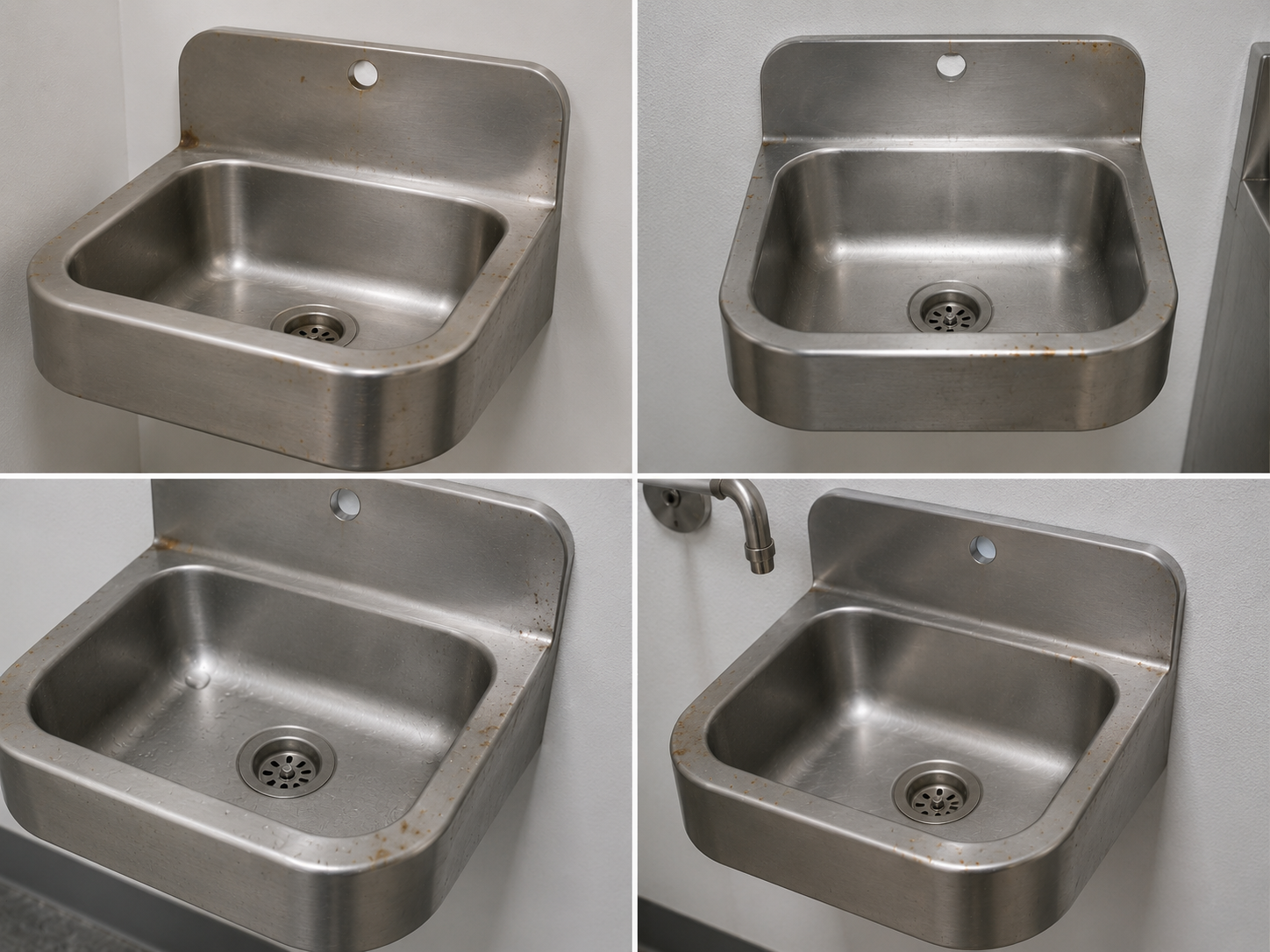
How to Remove Rust from Stainless Steel Sinks
1. Use white vinegar
Simply prepare a bottle of white vinegar, spray it on the rusted area, and let it soak overnight. The acetic acid in the vinegar can break down the rust without scrubbing. This gentle process removes stains without scratching the underlying stainless steel surface.
Instructions:
1. Fill a spray bottle with undiluted distilled white vinegar.
2. Spray the affected area and leave overnight.
3. Rinse with warm water and dry with a clean cloth.
2. Cleaning Rust Stains with Citric Acid Solution
Citric acid can dissolve rust on stainless steel. As a mild acid, it reacts with and breaks down rust, which is composed of iron oxide. Citric acid will not damage the protective surface of stainless steel in the long term like other strong cleaning acids.
Instructions:
1. Mix citric acid powder with hot water to form a solution. Heat helps activate the acid.
2. Soak the stainless steel with rust stains in the solution for 30 minutes to several hours.
3. Gently scrub the stains with a soft sponge or cloth. Avoid using abrasive pads. Citric acid can remove stubborn rust stains without corroding stainless steel during repeated cleaning. It is safe, non-toxic, effective, and environmentally friendly in removing rust.
3. Using Baking Soda to Remove Rust
The fastest way to remove rust from stainless steel includes mixing baking soda and water and gently scrubbing to remove the rust.
By making a paste with these materials, rust stains can be removed, restoring the stainless steel surface. This process is simple, economical, and effective for minor rust problems.
Instructions:
1. Make the baking soda paste: In a small bowl, mix 2 parts baking soda and 1 part water until a spreadable baking soda paste is formed.
2. Apply the paste: Gently apply the baking soda paste directly to the rust stain using your fingers or an old toothbrush. Let it sit for 5 to 10 minutes.
3. Rinse and dry: After the stain is removed, thoroughly rinse the area with clean water to remove any residue. Dry thoroughly with a paper towel or microfiber cloth.
4. Commercial Rust Removers for Rust Removal
Special stainless steel rust removers use acids and solvents to dissolve and remove rust stains, are more effective on stubborn spots, and do not damage the protective surface over time.
Instructions for Use:
1. Apply a small amount of stainless steel rust remover directly to the affected area. Avoid using cleaners not specifically designed for stainless steel.
2. Let it sit for a few minutes. This allows the active ingredients time to break down the rust.
3. Rinse thoroughly and dry completely after washing. Repeat this process for stubborn stains.
Rust is removed through a chemical reaction, not through abrasive scrubbing, which can scratch stainless steel.
5. Potato Chip Scrubber: A Natural Rust Remover
Potatoes contain oxalic acid, which reacts with rust, helping to dissolve and loosen stubborn rust spots.
How to use: Cut a potato in half, then use the cut side to rub the affected area in a circular motion. The oxalic acid will begin to react with and break down the rust. Continue r
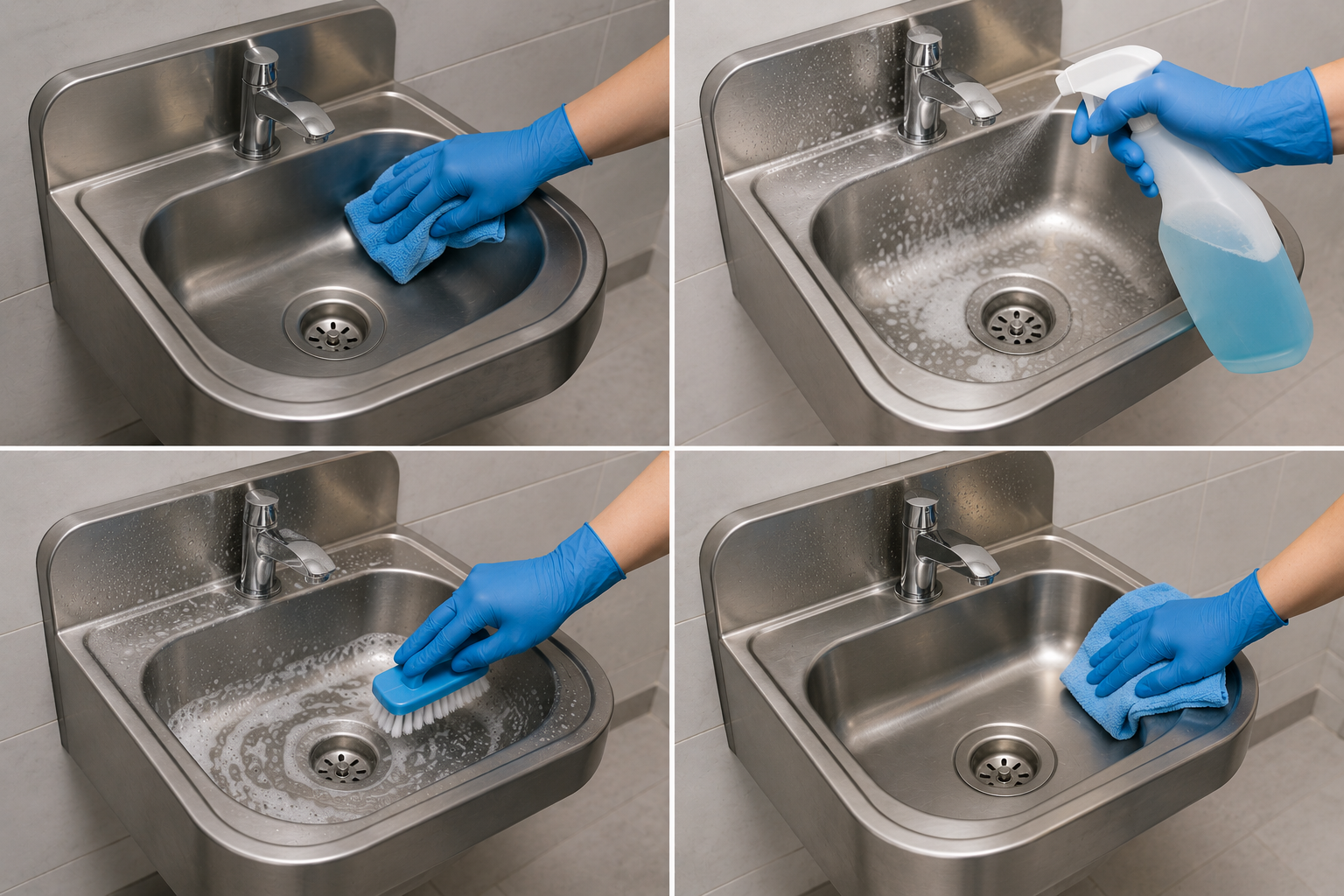
ubbing for a few minutes until you see the rust spots gradually fade. The potato may turn brown or black as it removes the rust—a good sign that it’s effective! With continued effort, the rust should begin to surface. Rinse with water and dry thoroughly when finished.
What should not be used on stainless steel sinks:
1. Chlorine-based cleaners (such as those containing chlorine, bromine, fluorine, or iodine) can strip away the protective chromium oxide layer.
2. Steel wool or metal brushes can scratch the surface and leave rust particles.
3. Irritating chemicals such as alcohol, ammonia, mineral oil, or lighter fluid are corrosive and harmful to stainless steel.
4. Wet sponges, rags, or towels left in the sink for extended periods can cause stains.
How to Prevent Rust from Appearing in Stainless Steel Sinks
Regular cleaning, rinsing, and drying can significantly help maintain shine and prevent rust formation. This simple yet crucial step is often overlooked, but it plays a vital role in the maintenance of stainless steel sinks.
You must rinse and dry the sink regularly, and be sure to rinse away any residue thoroughly each time you use it. This prevents wastewater buildup and avoids corrosion of the stainless steel surface.
Common Applications of Stainless Steel Sinks
1. Prisons/Detention Centers:
* Integrated handwashing sinks in cells
* Toilet and sink combinations
* Anti-self-harm handwashing sinks
* Anti-vandalism handwashing sinks
* Public washing areas
2. Hospitals/Medical Institutions
* Operating room handwashing sinks
* Doctors’ washing areas
* Patient ward handwashing sinks
* Sterile area handwashing sinks
3. Mental Hospitals/Psychological Medical Centers
4. Military Bases/Barracks
* Soldiers’ dormitories
* Public washing areas
* Field kitchens
* Logistics areas
5. Schools/Dormitories
* Student dormitories
* Public restrooms
* Laboratories
6. Commercial Kitchens
* Restaurant kitchens
* Hotel kitchens
* Central kitchens
* Food processing plants
Conclusion
Understanding the characteristics of stainless steel corrosion, selecting appropriate cleaning agents, and implementing preventative measures are crucial for maintaining the perfect condition of stainless steel sinks. Regular and continuous maintenance can protect the integrity of the sink and extend its service life.
Frequently Asked Questions
1: What is the difference between surface rust and embedded corrosion in stainless steel sinks?
Surface rust usually manifests as shallow discoloration and can be removed with a light abrasive. Embedded corrosion indicates a deeper level of deterioration in the stainless steel, often accompanied by pitting, requiring more aggressive treatment.
2: Is it safe to use chlorine bleach to remove rust from stainless steel sinks?
Chlorine bleach is generally not recommended for stainless steel as it can cause corrosion and rust buildup. It is preferable to use alternative cleaners specifically formulated for stainless steel.
3: How often should stainless steel sinks be cleaned to prevent rust?
The ideal cleaning frequency depends on usage patterns, but daily or weekly cleaning routines are usually sufficient to prevent the buildup of rust contaminants. More frequent cleaning may be necessary in hard water areas.
4: What types of cleaning tools are suitable for stainless steel sinks?
It is recommended to use non-abrasive cloths, sponges, and brushes to avoid scratching or damaging the sink surface. Steel wool and abrasive wiping pads should be avoided.
How to Find a High-Quality Stainless Steel Sink?
An experienced and reliable supplier is essential to ensure the supply of high-quality, guaranteed stainless steel sinks.
BACAI Stainless Steel Factory is a professional manufacturer of stainless steel sinks, located in Xiangcheng District, Suzhou City, Jiangsu Province, China. We have extensive experience in stainless steel sink production and export to over 30 countries and regions. Our superior quality and consistent delivery have earned the trust and long-term cooperation of our customers. BACAI welcomes your inquiries.