
Stainless steel products are widely used in various scenarios. Although stainless steel performs well in corrosion and rust prevention, it also requires maintenance and cleaning,
Regular cleaning and maintenance of stainless steel surfaces can keep stainless steel products in optimal condition and extend their service life. This article will analyze how to maintain and clean stainless steel
.png)
How Often Should It be Cleaned?
Taking stainless steel toilets and sinks as examples, it’s best to clean them at least once a week to prevent debris from accumulating and becoming difficult to clean over time. You can also clean them promptly when you notice any wear or rust to keep the stainless steel surface clean.
If the stainless steel product is installed outdoors and cannot be cleaned regularly, the cleaning frequency can be reduced to once a month or three months, as there may be rainwater cleaning outdoors
What Tools were Used for Cleaning?
Neutral hand soap, dish soap, white vinegar ,baking soda can be used as cleaning agents to effectively remove grease, water stains, fingerprints, and debris.
Soft cloths, sponges, or brushes can be used for cleaning.
Do not use steel wire balls, brushes, bleach, etc. as they can damage the surface of stainless steel
Cleaning Steps
- First, rinse the stainless steel product surface with clean water to remove stains and debris;
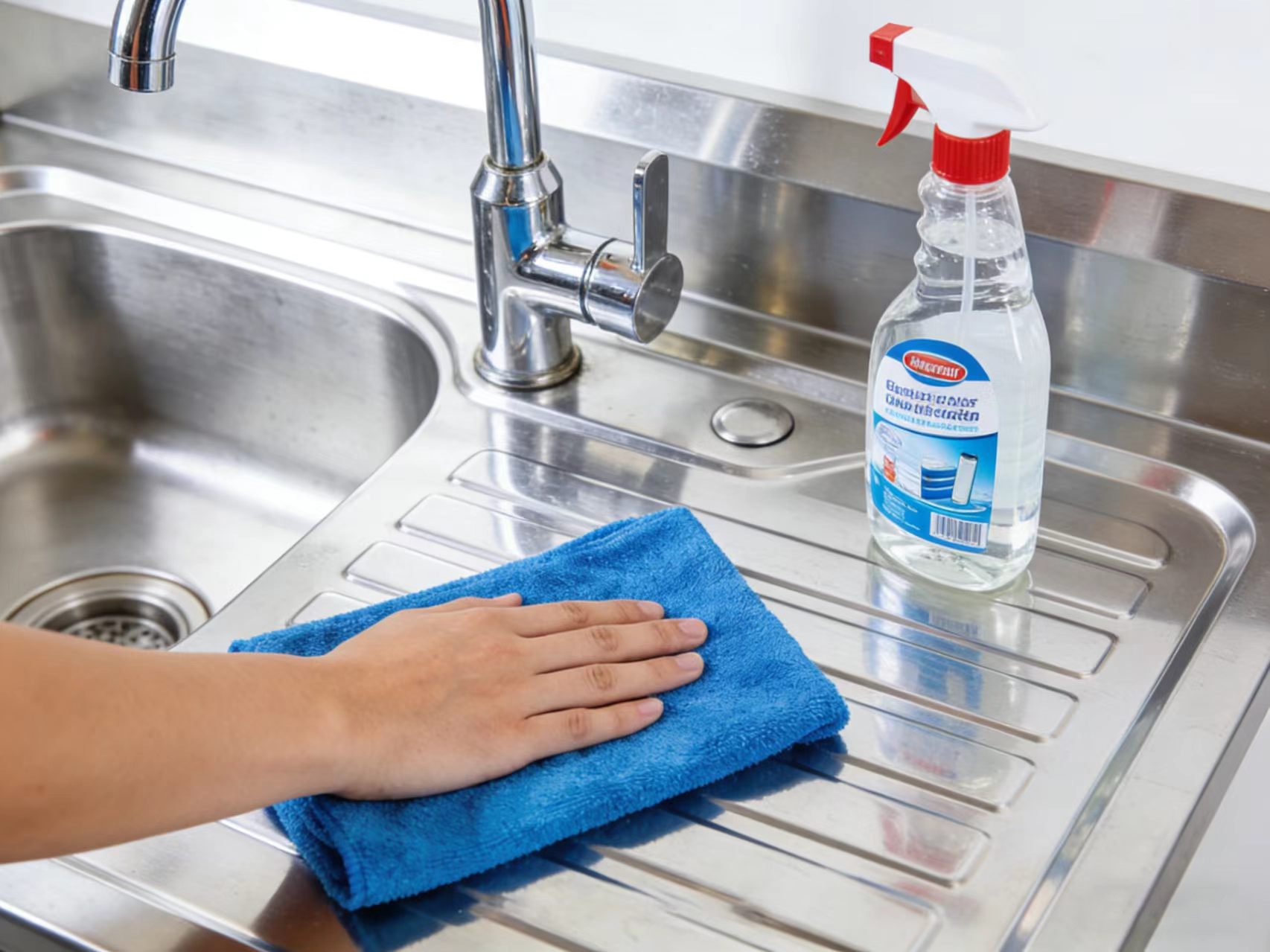
- Wipe the stainless steel surface with dish soap and a soft cloth;
- Rinse thoroughly with clean water, then dry with a clean cloth;
Below, I will use a table to list different situations and their corresponding coping strategies
| fingerprint | Wipe the surface of stainless steel with mild detergent and warm water |
| Stains and spots | Wipe with white vinegar and warm water, then rinse with clean water and air dry |
| Rust and rust spots | Spray white vinegar or baking soda on the rust stain, let it sit for a while, then wipe it with a soft cloth, or directly use sandpaper to rub back and forth along the stainless steel texture. After the rust stain is eliminated, rinse it with clean water, and then wipe it dry |
| grease stain | You can use baking soda and white vinegar, mix baking soda and white vinegar together to form a paste, apply it to the oil stains, let it sit for a while, then wipe it with a cloth, remove the oil stains, rinse with water, and finally air dry |
It is Recommended to Regularly Disinfect Stainless Steel Equipment in Public Places
When the COVID-19 epidemic crisis occurs, we should pay more attention to the disinfection of public places to avoid the invasion of pathogens
Disinfection should use disinfectant alcohol. Spray the alcohol onto the surface of stainless steel facilities with a spray bottle, or wipe with a cloth coated with alcohol. After disinfection, rinse with clean water and finally air dry
Precautions
- Do not use strong acid or alkaline cleaners, as these will corrode the stainless steel surface and leave irreversible marks;
- Do not use hard or sharp tools to treat the stainless steel surface, as this can easily cause irreversible damage;
- After cleaning, ensure the stainless steel surface is completely dry and free of water stains.
- If the stain is difficult to remove temporarily, you can let the cleaning agent stay on the surface for a few minutes before wiping it off
Summary:
Proper cleaning and maintenance can maintain the good condition of stainless steel and extend its service life. The cleaning of stainless steel is relatively simple. By achieving the above points, it can ensure that the stainless steel material is sturdy, durable, corrosion-resistant, rust proof, smooth, and bright.
As a professional stainless steel manufacturer, Bacai produces a wide range of stainless steel washbasins, squat pans, squat toilets, urinals, tables, benches, showers, toilet water fountains, changing benches, toilet paper dispensers, and more.
Our products are widely used in various public places, such as shopping malls, hotels, bars, schools, hospitals, train stations, correctional institutions, etc
We are the source factory with favorable prices and strong technical team. We can accept various customizations to meet your stainless steel customization needs in different places
FAQ
1. How are Rust Spots Formed on the Surface of Stainless Steel?
Rust spots on the surface of stainless steel products are unlikely to be caused by the stainless steel itself. They are usually caused by residues or stains embedded in the surface. After daily cleaning, make sure the surface is dry, as minerals left in water can cause rust and discoloration.
2. How to Deal with Rust Spots and Scratches?
Using 500-grit sandpaper, rub back and forth along the grain of the stainless steel surface. This will create new texture, gradually covering the scratches and restoring its original appearance. Then clean with dish soap and a cloth.
3. Do Everyday Scratches Need to be Treated Immediately?
Minor scratches are normal for stainless steel products during daily use. The brushed texture of stainless steel can effectively cover up minor scratches, and the scratches will fade over time. Obvious rust spots and scratches can be treated during regular maintenance.
4. Why does Stainless Steel Still Sust?
While stainless steel boasts excellent wear and corrosion resistance, it is not immune to rust and wear. Stainless steel contains at least 10.5% chromium, which forms a protective layer on its surface, preventing corrosion and oxidation. If stains remain on the stainless steel surface for an extended period, this protective layer will be damaged, leading to rust and corrosion, thus affecting the appearance and durability of stainless steel products.